
Pregnancy can change many things, including the skincare ingredients you choose to apply. The question of which pregnancy-safe skin care products are genuinely safe isn't always straightforward, because the skincare industry wasn't designed with pregnancy in mind. Some ingredients that work brilliantly for your skin carry real risks during pregnancy, and it's worth knowing exactly which ones to set aside and what to use instead. The good news is that the alternatives are genuinely effective, not just compromises.
Why Skin Absorption Matters During Pregnancy
Your skin isn't a sealed barrier. Some of what you apply topically is absorbed into the bloodstream and, during pregnancy, that bloodstream is shared. This doesn't mean all skincare is dangerous, but it does mean that certain active ingredients warrant more caution than usual. The goal isn't to strip your routine back to nothing. It's to swap out the ingredients with known risks and keep the ones that are safe and effective.
Ingredients to Avoid
There's a clear list of skincare ingredients that dermatologists and midwives consistently advise avoiding during pregnancy. Understanding why each one is flagged helps you make confident swaps rather than simply following a blanket list.
Retinol and Retinoids
Retinol is one of the most well-studied anti-ageing ingredients in skincare, but it's firmly on the avoid list during pregnancy. Retinoids are derived from vitamin A, and high doses of vitamin A are linked to birth defects. Prescription retinoids carry the highest risk, but most guidance recommends avoiding all forms, including retinol, retinaldehyde, retinyl palmitate and tretinoin. This is one of the clearest consensus points in pregnancy skincare guidance.
High-Dose Salicylic Acid
Salicylic acid in low concentrations, as found in some face washes, is generally considered acceptable during pregnancy. High-strength formulas, such as chemical peels or concentrated spot treatments, are a different matter. Salicylic acid belongs to the aspirin family, and high systemic exposure is associated with complications. The safest approach is to avoid high-strength salicylic acid products entirely during this time.
Hydroquinone
Hydroquinone is a skin-lightening ingredient used for hyperpigmentation and melasma. It has an unusually high absorption rate compared with other topical actives, which means more of it enters the bloodstream. Because its safety during pregnancy hasn't been established, it's universally recommended to avoid it throughout this period.
Chemical Sunscreen Actives
Oxybenzone, octinoxate and homosalate are among the chemical sunscreen filters that have raised concerns due to their endocrine-disrupting potential. You don't need to go without sun protection: mineral sunscreens with zinc oxide or titanium dioxide are considered safe and work by sitting on top of the skin rather than being absorbed into it.
Certain Essential Oils
Not all essential oils are equal during pregnancy. Some, including rosemary, clary sage and juniper berry, have traditionally been linked to uterine stimulation at high doses. Lavender and chamomile are generally regarded as safe in the dilutions found in cosmetic products, but it's sensible to check any product containing botanical extracts or essential oils against a reliable pregnancy-safe list.
What You Can Use Safely
Pregnancy-safe skincare isn't about deprivation. There are excellent, effective ingredients considered safe throughout pregnancy, many of which you'll already be familiar with.
Bakuchiol
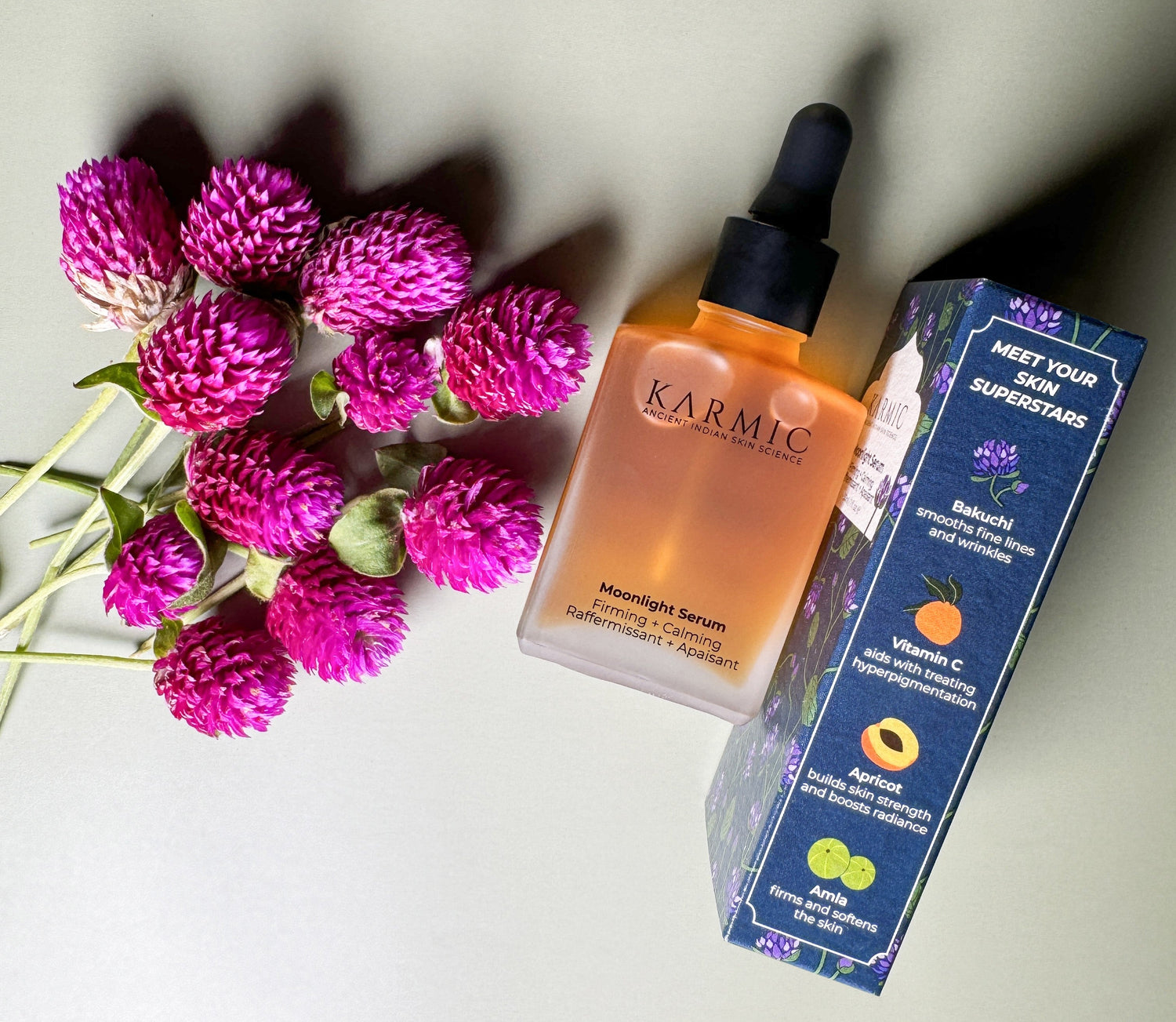
Bakuchiol is a plant-derived ingredient extracted from the seeds of Psoralea corylifolia. Studies show it delivers comparable anti-ageing and skin-renewing benefits to retinol, activating similar receptors in the skin without the vitamin A chemistry that makes retinol off-limits during pregnancy. It's gentle enough for sensitive skin and doesn't cause the peeling or irritation that retinol often does. For anyone wanting the skin-smoothing benefits of a retinol alternative whilst pregnant, bakuchiol is the ingredient to look for.
Vitamin C
Vitamin C in its topical form is considered safe during pregnancy and is one of the most effective brightening ingredients available. It helps even skin tone, supports collagen production and gives skin a healthy radiance. Look for stable forms such as ascorbic acid or sodium ascorbyl phosphate, and store your serum away from direct light to preserve its potency.
Niacinamide
Niacinamide, also known as vitamin B3, has a strong safety profile during pregnancy. It addresses a wide range of concerns: uneven tone, enlarged pores, excess oil and a weakened skin barrier. It's well-tolerated by all skin types and works well alongside other safe actives without causing irritation.
Hyaluronic Acid and Gentle Botanical Extracts
Hyaluronic acid is a naturally occurring molecule in the skin and is universally regarded as safe during pregnancy. It draws moisture into the skin and helps maintain the plump, hydrated feeling that's particularly welcome when skin is behaving differently. Gentle botanical extracts with calming properties, such as centella asiatica and aloe vera, are also well within safe territory.
Building Your Pregnancy Skincare Routine
A thoughtful pregnancy skincare routine doesn't need to be complicated. Cleanse with a gentle, fragrance-free cleanser. Follow with a vitamin C or niacinamide serum. Use a bakuchiol product in place of your usual retinol, ideally in the evening. Moisturise consistently. Apply a mineral SPF every morning without fail. That's a complete, effective routine built entirely within safe boundaries.
Skincare during pregnancy is genuinely one of those areas where the ingredients list matters as much as the marketing. Reading labels might feel tedious, but it's the only reliable way to know what you're actually applying. The good news is that pregnancy-safe skin care products have come a long way, and you don't have to choose between caring for your skin and caring for your baby. Karmic Skin's range is built around exactly this principle, with vegan, Ayurveda-rooted formulations that put both efficacy and safety at the centre.