
Glowing skin is one of the most searched-for skincare goals, which means it's also one of the most overcrowded categories in beauty marketing. Finding the best serum for glowing skin is harder than it should be, because every product claims to deliver radiance. The difference between formulas that actually work and those that don't comes down to a handful of specific ingredients, and understanding what each one does at a biological level is the clearest way to separate fact from the confusion.
What 'Glowing Skin' Actually Means
Glow isn't one thing. When people describe skin as glowing, they're usually referring to a combination of brightness, evenness of tone, plumpness and light reflectivity. Dull skin is the result of several interacting factors: accumulated dead cells on the surface, uneven melanin distribution, dehydration and a compromised skin barrier. A serum designed to improve radiance needs to target more than one of these concerns at the same time. That's why ingredient knowledge matters more than brand promise.
The Ingredients That Actually Drive Radiance
The most credible glow-driving serums share a common set of active ingredients. Each one works via a distinct mechanism, and the most effective routines combine them thoughtfully rather than stacking them all at once without a clear plan.
Vitamin C: The Brightening Workhorse
Vitamin C remains one of the most well-supported ingredients for brightening the skin. It works by inhibiting tyrosinase, the enzyme responsible for melanin production, which means it actively reduces the formation of dark spots and uneven tone over time. It also acts as an antioxidant, neutralising free radicals from UV exposure and pollution that would otherwise cause oxidative stress and dullness. For brightening, look for concentrations of L-ascorbic acid that are high enough to be effective, or stabilised derivatives such as ascorbyl glucoside if your skin is sensitive to the direct form.
Niacinamide: The Evenness Regulator
Niacinamide works at the junction between melanocytes, the cells that produce melanin, and keratinocytes, the surface skin cells. It interrupts the transfer of pigment between these two cell types, which gradually evens out skin tone. At the same time, it strengthens the skin barrier by boosting ceramide production, reduces excess sebum and calms visible redness. The result is skin that looks more unified and clear. It is also among the more widely tolerated actives, making it a suitable option for different skin types, including oily and sensitive skin.
AHAs: Surface Renewal for Instant Radiance
Alpha hydroxy acids, glycolic acid and lactic acid being the most common, work by loosening the bonds between dead skin cells on the surface and encouraging their shedding. This isn't stripping: it's accelerating a process that skin does naturally but that slows down with age and sun damage. The result is a fresher, smoother surface that reflects light more evenly. Glycolic acid penetrates more readily; lactic acid is gentler and also has hydrating properties. Neither should be used at the same time as a vitamin C serum, as the combined acidity can irritate.
Hyaluronic Acid: The Plumping Foundation
Hyaluronic acid doesn't directly influence pigmentation or cell turnover, but it's indispensable for glow because dehydration is one of the fastest routes to dull-looking skin. Hyaluronic acid draws moisture from the environment and from deeper skin layers into the surface cells, creating that plumped, light-catching quality that reads as healthy radiance. It works at its best when applied to damp skin and immediately sealed in with a moisturiser, preventing the moisture it attracts from simply evaporating.
Bakuchiol: Renewal Without Irritation
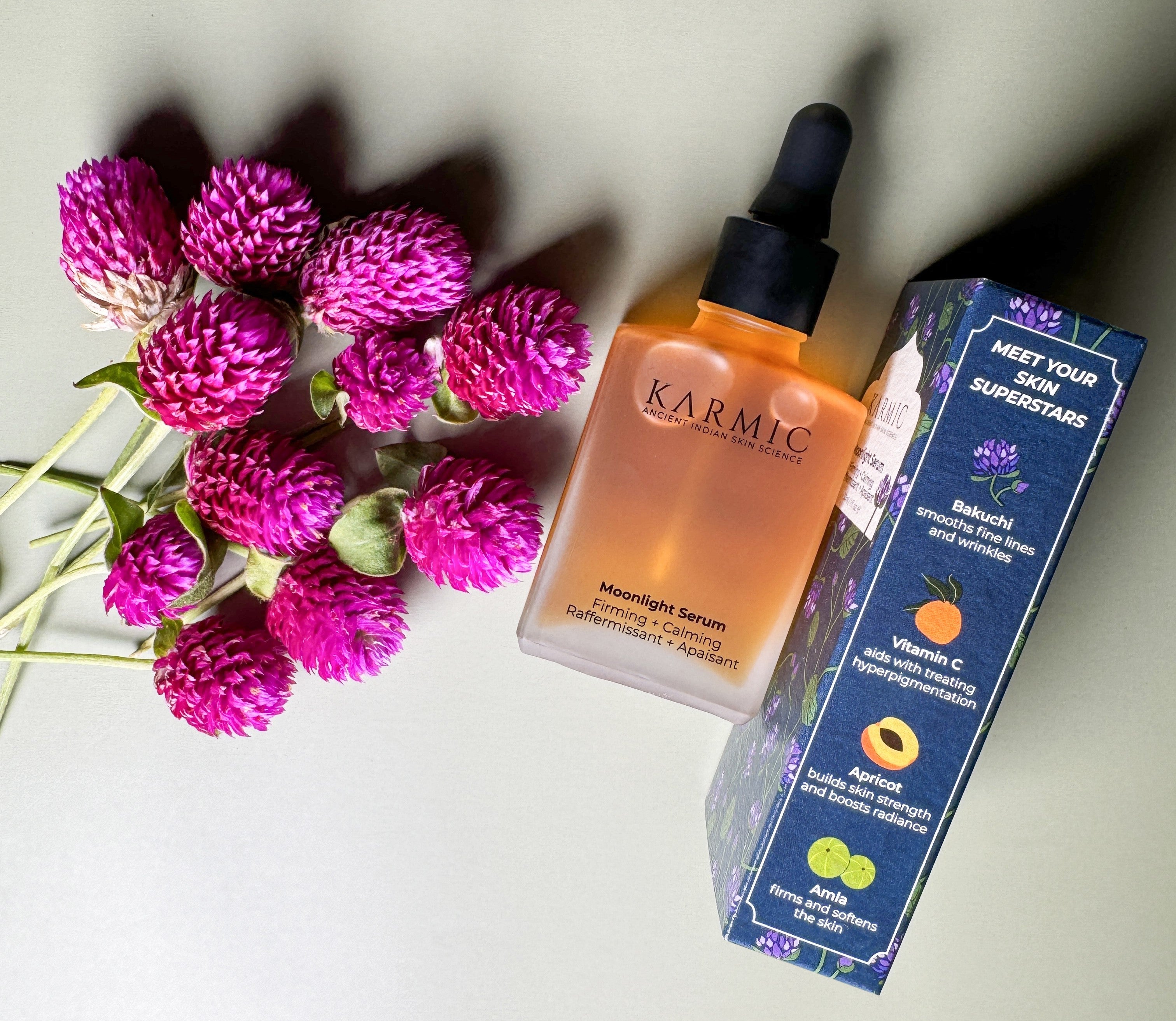
Bakuchiol is a plant-derived ingredient that activates retinoid receptors in the skin, stimulating cell turnover in a similar way to retinol but without the associated redness, peeling or sun sensitivity. Faster cell turnover means fresher surface skin, which directly contributes to a more radiant appearance. It's also considered safe during pregnancy, which makes it a useful option for a wider range of people than retinol can accommodate.
How to Layer Glow-Driving Serums
Knowing which ingredients drive glow is only half of it. How you layer them determines whether they work well together or undermine each other. A practical approach for most people: use a vitamin C serum in the morning, followed by a niacinamide step, and finish with mineral SPF. In the evening, a bakuchiol serum works as your renewal step. If you want to include an AHA, use it on alternate evenings rather than nightly, and not on the same evenings as bakuchiol. Keep each step simple: one active per layer is more effective and easier to troubleshoot than complicated stacking.
Glow comes from consistency more than any single product. The ingredients above are well-evidenced and they work, but they need regular use over weeks to show their full effect. If you're building a routine from scratch, the best serum for glowing skin is one that contains a meaningful concentration of active ingredients, suits your skin type and that you'll actually use every day. With its blend of Ayurvedic botanicals and scientifically validated actives, Karmic Skin’s serum range is designed to support healthier-looking skin with results that are both visible and enduring.