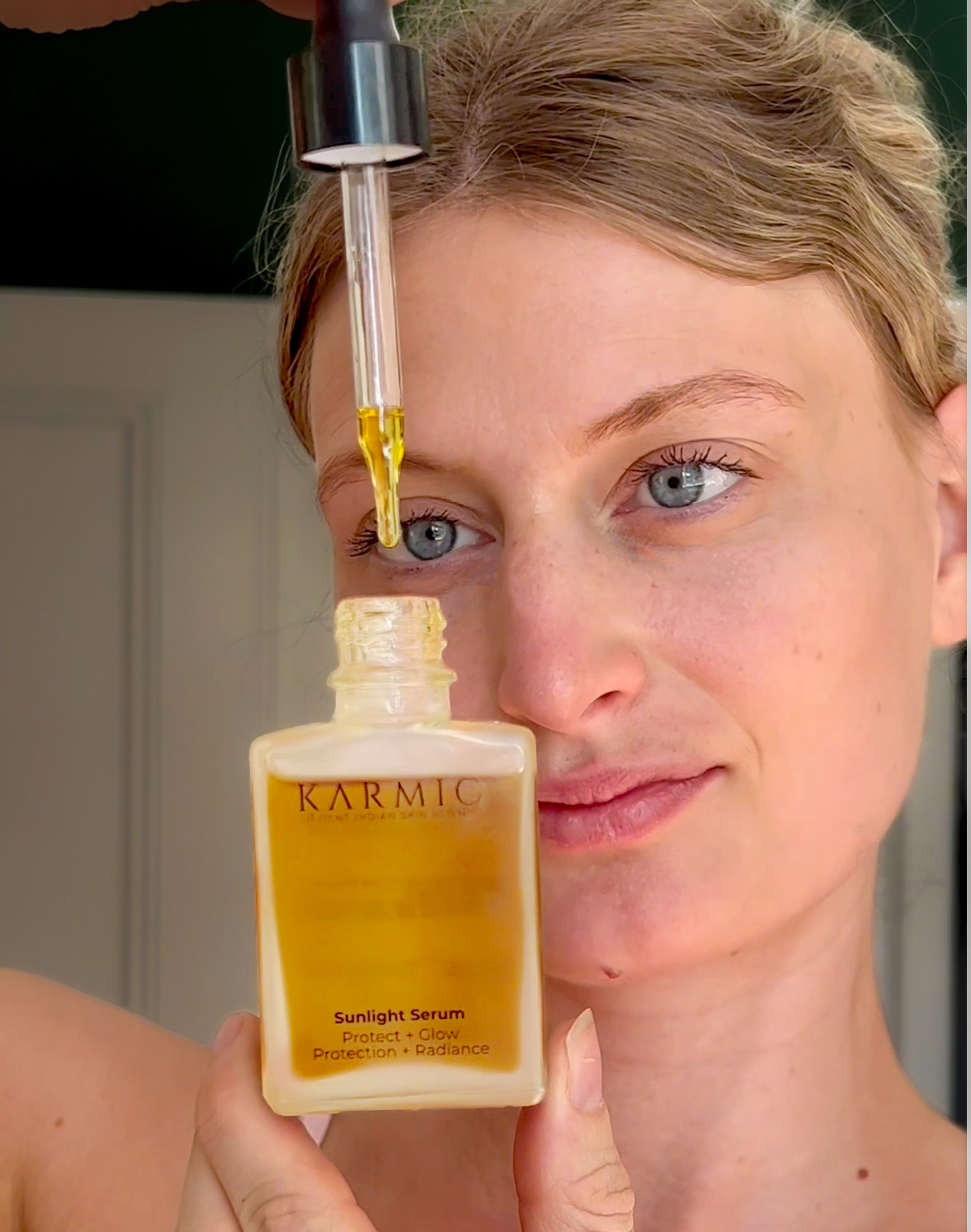

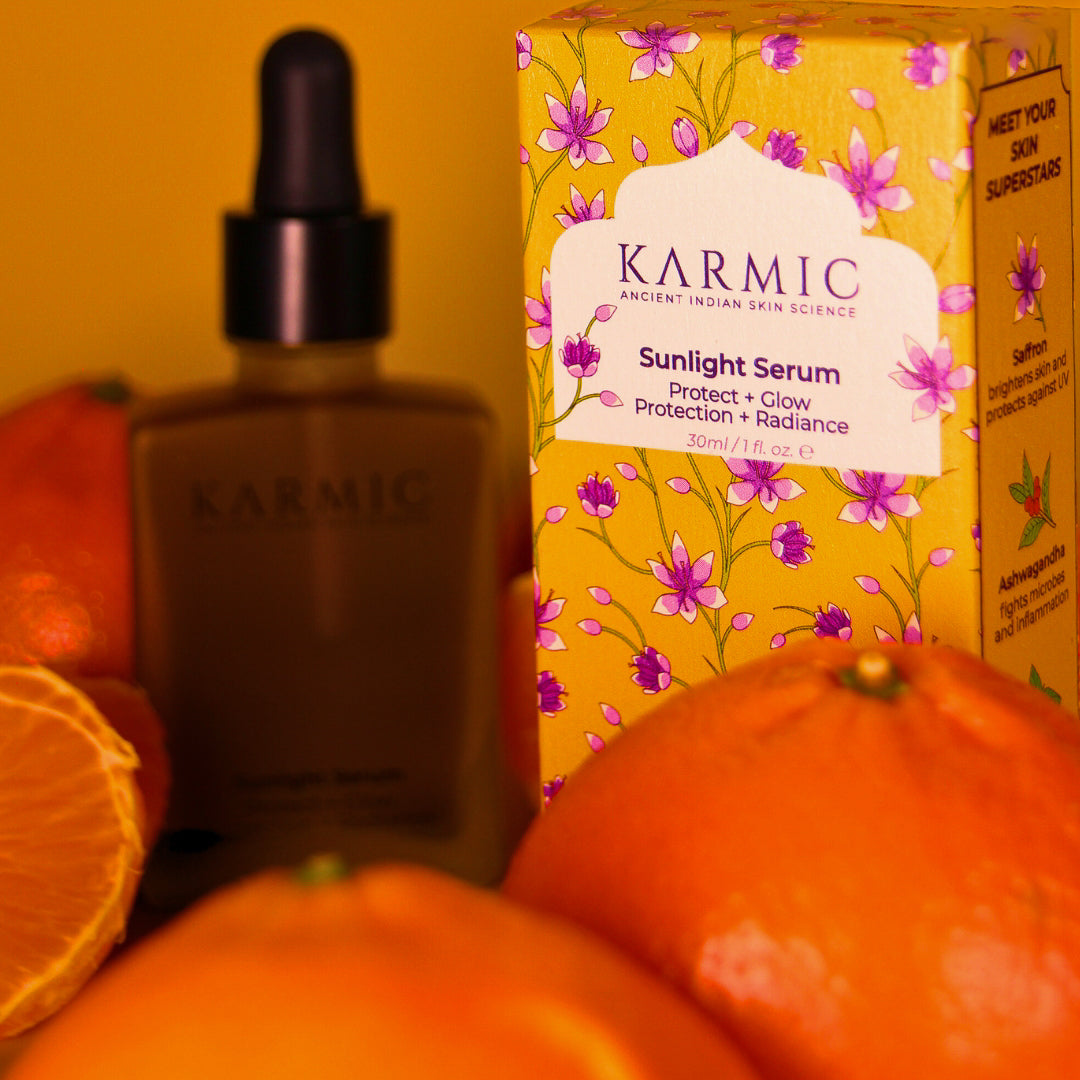
Pigmentation is one of the most persistent and frustrating skin concerns, and the shelves are full of products claiming to fix it. Vitamin C serum for pigmentation is one of the more credible solutions, not because it's a quick fix, but because there's genuine science behind how it works. Understanding that science, including what vitamin C actually does inside the skin and what realistic expectations look like, is the difference between using it correctly and giving up too soon.
What Causes Pigmentation in the First Place
Pigmentation occurs when melanin, the pigment responsible for skin colour, is produced unevenly. Melanocytes, the cells that make melanin, can become overactive in response to sun exposure, hormonal changes, inflammation or injury to the skin. This can lead to dark marks, uneven patches of colour or broader areas of discolouration, including melasma. Post-inflammatory hyperpigmentation is the mark left behind after acne or eczema has healed. All of these involve the same fundamental mechanism: excess melanin production and its transfer to surface skin cells.
How Vitamin C Interrupts Melanin Production
Vitamin C targets pigmentation through a precise and well-established pathway. Its primary target is tyrosinase, the enzyme that catalyses the early stages of melanin synthesis. By inhibiting tyrosinase, vitamin C slows the production of new melanin at the source. This doesn't remove existing pigmentation overnight, but it does mean that over time the skin produces less melanin in treated areas and, as surface cells naturally turn over, the darker cells are gradually replaced.
Vitamin C also offers antioxidant benefits that are particularly relevant to pigmentation concerns. UV exposure creates free radicals, causing oxidative stress within the skin.This can activate melanocytes and make existing dark spots appear more pronounced. Vitamin C neutralises these free radicals, working on pigmentation from two directions simultaneously: slowing new production and reducing the oxidative triggers that worsen existing spots.
Different Forms of Vitamin C and Why It Matters
Not all vitamin C in skincare is identical, and the form used in a product affects both its efficacy and its shelf stability. Understanding this distinction makes it easier to select a formula that can provide meaningful results over time.
L-Ascorbic Acid
L-ascorbic acid is the pure, active form of vitamin C and remains the most extensively studied. It's highly effective but also highly unstable: it oxidises on exposure to light and air, turning the serum a darker orange or brown colour and losing its potency. Products containing L-ascorbic acid should be stored away from direct sunlight and used promptly once opened. If your vitamin C serum has turned noticeably dark, its active content will be significantly diminished.
Stabilised Vitamin C Derivatives
Ascorbyl glucoside, sodium ascorbyl phosphate and ascorbyl tetraisopalmitate are among the derivatives developed to address vitamin C's stability problem. They're converted to active ascorbic acid once inside the skin, which means they're gentler and more stable in the formula. For sensitive skin types, derivatives are often a better practical choice because they work at a higher pH and cause less irritation than high-strength L-ascorbic acid, whilst still delivering meaningful pigmentation-fading results.
What Realistic Results Look Like
Vitamin C is effective, but it's not fast. Most people using it consistently for mild to moderate pigmentation will begin to notice a difference after several weeks of daily use. More significant or deeply set pigmentation, particularly melasma, takes longer, and vitamin C alone may not be sufficient without addressing the hormonal or sun-related triggers at the same time. Setting realistic expectations from the outset makes it much easier to stay consistent, which is ultimately what determines results.
Why SPF Is Non-Negotiable Alongside Vitamin C
Using vitamin C without daily sun protection is one of the most common mistakes people make when treating pigmentation. UV exposure is the primary driver of melanin overproduction and, without consistent SPF, you're working against yourself: vitamin C slowing melanin production in the morning whilst sun exposure triggering more of it through the afternoon. Mineral SPF applied every morning, even on overcast days, is not optional when treating pigmentation. It's the element that lets vitamin C do its job.
The evidence supporting vitamin C serum for pigmentation is strong, but results depend on using the product correctly and consistently. A stabilised formulation, daily application and committed SPF use are the combination that makes the difference. Karmic Skin's vitamin C serum is formulated with skin tone evenness as a primary goal, built on Ayurvedic principles and without the fillers or irritants that compromise results.