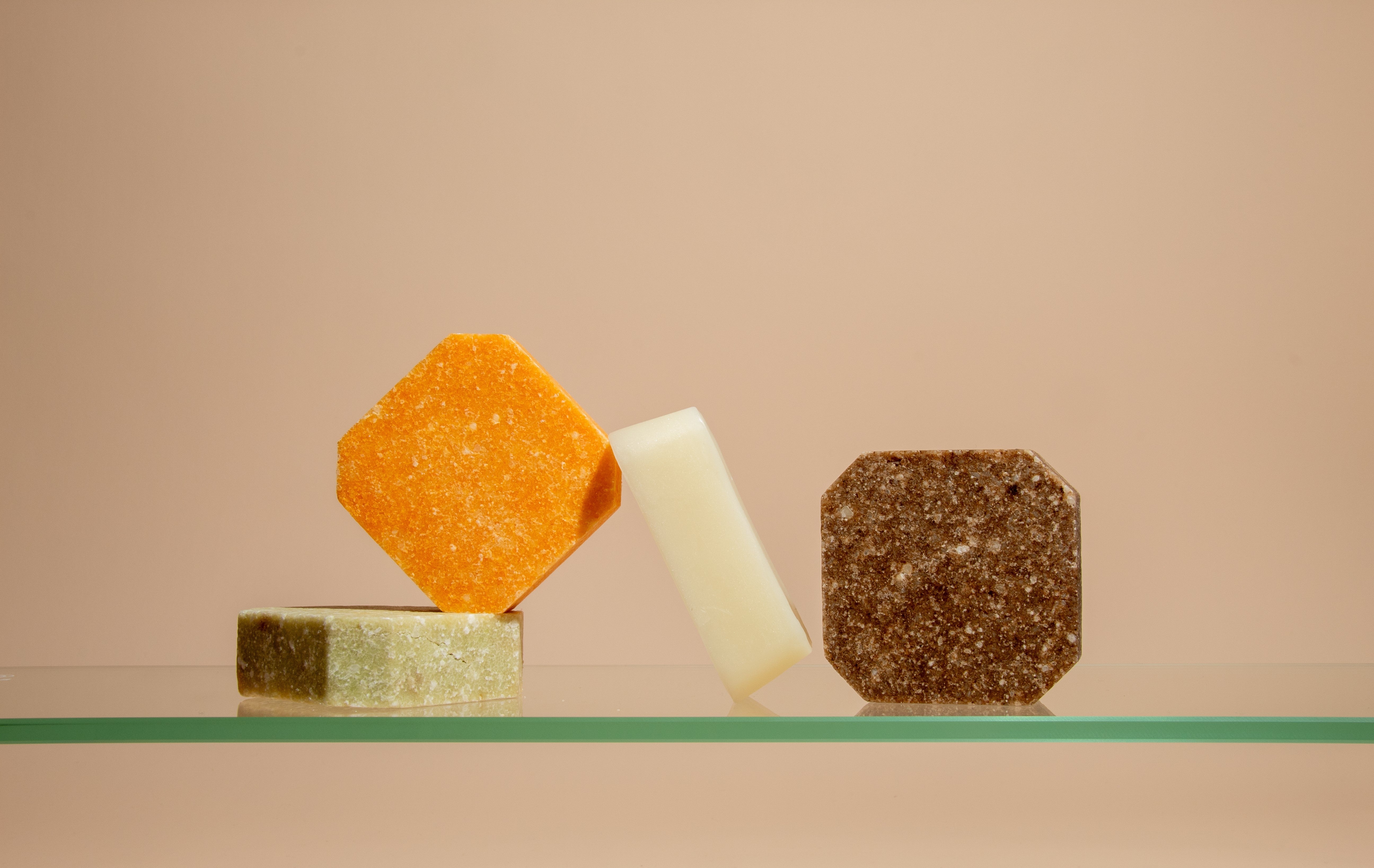

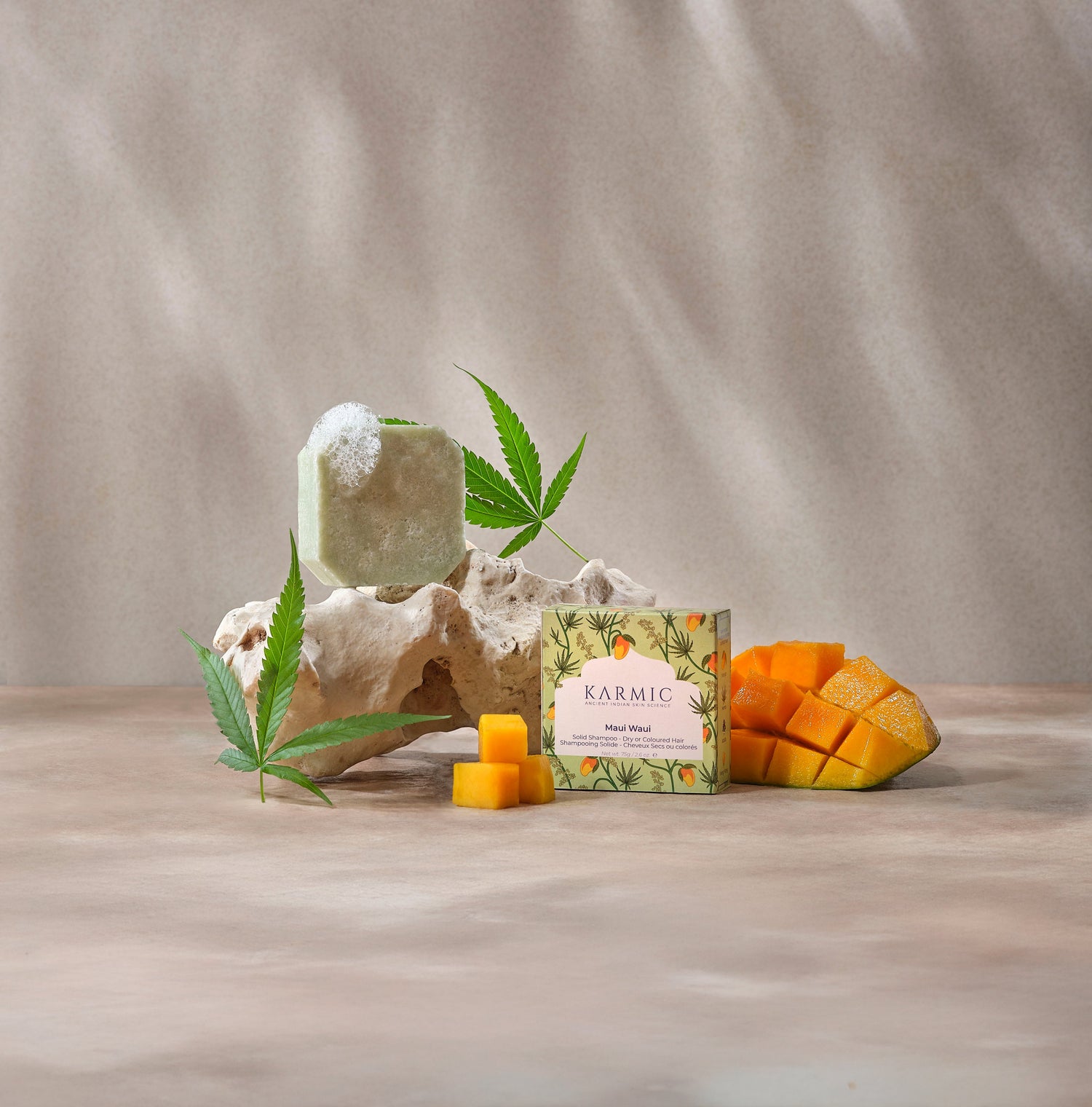
Conditioning shampoo bars promise to cleanse and condition your hair in one convenient step, but can they truly replace your traditional conditioner? These eco-friendly bars have gained popularity among conscious consumers seeking simplified, sustainable hair care routines. Let's explore what these dual-purpose bars can actually deliver for your hair care routine and whether they live up to their claims of replacing both your shampoo and conditioner.
Understanding how a conditioning shampoo bar works and what results you can realistically expect will help you make an informed decision about whether this clean beauty solution suits your unique hair needs. From ingredient science to application techniques, we'll uncover everything you need to know about these innovative hair care products.
What Is a Conditioning Shampoo Bar and How Does It Work?
A conditioning shampoo bar combines cleansing agents with conditioning ingredients in a concentrated, solid format. Unlike traditional liquid shampoos that strip hair of natural oils, these bars incorporate moisturising elements directly into the cleansing formula. This dual-action approach aims to clean your hair whilst simultaneously providing hydration and manageability benefits.
The solid format allows for a higher concentration of active ingredients compared with liquid formulations, which often contain up to 80% water. This concentration means you're getting more conditioning agents per application, potentially delivering better results with less product usage.
The Science Behind Conditioning Agents in Solid Bars
The magic happens through carefully balanced pH levels and the inclusion of cationic conditioning agents that bond to negatively charged hair strands. When you lather the bar, these conditioning molecules attach to damaged areas of your hair cuticle, smoothing the surface and reducing friction. This process helps prevent tangles whilst adding a protective layer that enhances shine and softness.
The solid format requires specific emulsifiers and binding agents to keep conditioning ingredients stable and effective. These components ensure that the moisturising elements don't separate from the cleansing agents, maintaining the bar's dual functionality throughout its use.
Key Ingredients That Provide Conditioning Benefits
High-quality conditioning shampoo bars typically contain ingredients like cetyl alcohol, which acts as a conditioning agent rather than a drying alcohol. Natural oils such as coconut, argan or jojoba oil provide deep moisture, whilst proteins like hydrolysed wheat or silk help strengthen hair structure.
Butter-based ingredients like shea or cocoa butter offer intensive moisture for hair that needs extra nourishment. These ingredients work synergistically with gentle cleansing agents derived from coconut or other plant sources, creating a balanced formula that cleanses without stripping essential moisture.
The Conditioning Power: What Can You Realistically Expect?
Setting realistic expectations is crucial when transitioning to a conditioning shampoo bar. These products typically provide light to moderate conditioning benefits, making them suitable for daily use without the heavy buildup that can occur with separate conditioning treatments. Your hair should feel cleaner yet softer than with traditional shampoo alone, though the conditioning effect may be subtler than what you'd experience with a dedicated conditioner.
The conditioning benefits tend to be cumulative, meaning you may notice improved hair texture and manageability after several uses rather than dramatic results after the first wash. This gradual improvement reflects the gentler, more balanced approach these bars take to hair care.
Light to Moderate Conditioning Benefits
Most users experience improved detangling, reduced frizz and enhanced shine when using a quality conditioning shampoo bar. The conditioning effects are generally sufficient for maintaining healthy hair that isn't severely damaged or chemically processed. You can expect smoother hair cuticles, which translate to less breakage during brushing and styling.
However, the conditioning power isn't typically as intensive as a dedicated hair mask or deep conditioning treatment. Think of it as daily maintenance rather than intensive repair, making it ideal for preventing damage whilst keeping hair looking healthy and manageable.
Hair Types That Benefit Most from Conditioning Shampoo Bars
Fine to medium hair textures respond exceptionally well to conditioning shampoo bars because they provide moisture without overwhelming delicate strands. Normal to slightly dry hair types often find these bars perfectly balanced, offering enough conditioning without weighing hair down or creating greasiness at the roots.
Hair that tends to get oily quickly may particularly benefit from this approach, as the gentle conditioning helps balance oil production whilst maintaining necessary moisture levels. The concentrated formula means you can control exactly how much conditioning your hair receives based on application technique and contact time.
When a Conditioning Shampoo Bar Might Replace Your Conditioner
For certain hair types and lifestyles, a conditioning shampoo bar can successfully replace your separate conditioner entirely. Understanding whether your hair falls into this category depends on several factors, including texture, length, processing history and personal preferences for styling and maintenance.
The convenience factor cannot be understated - having one product that effectively cleanses and conditions simplifies your routine whilst reducing bathroom clutter and plastic waste. This streamlined approach particularly appeals to minimalists and those following sustainable beauty practices.
Hair Types and Textures That Work Well
Fine hair often thrives with conditioning shampoo bars because traditional conditioners can weigh down delicate strands, creating limpness and reduced volume. The lighter conditioning action provides necessary moisture without compromising body and movement. Oily hair types also benefit significantly, as the balanced formulation helps regulate sebum production whilst preventing the scalp irritation that can occur with harsh cleansing agents.
Normal hair that isn't chemically processed typically responds beautifully to this simplified approach. If your hair is naturally healthy with minimal damage, a conditioning shampoo bar may provide all the moisture and protection you need for optimal hair health.
Specific Hair Conditions Where It's Sufficient
Short to medium-length hair often needs less intensive conditioning than longer strands, making conditioning shampoo bars an excellent choice. The reduced surface area means less opportunity for damage accumulation, and the natural oils from your scalp can more easily travel down shorter hair shafts.
Travel situations where minimal products are preferred make conditioning shampoo bars particularly valuable. Their solid format eliminates liquid restrictions whilst providing complete hair care in a single, compact product that won't leak or spill in your luggage.
When You'll Still Need a Separate Conditioner
Despite their benefits, conditioning shampoo bars aren't suitable for everyone's hair needs. Recognising when additional conditioning is necessary helps you create a hair care routine that truly serves your hair's unique requirements. Some hair types and conditions simply need more intensive moisture and repair than any single product can provide.
Signs that you need additional conditioning include persistent dryness, difficulty detangling, lack of shine or hair that feels rough or brittle despite regular washing with a conditioning bar. These indicators suggest your hair needs more intensive moisture therapy than a dual-purpose product can deliver.
Hair Types Requiring Additional Moisture
Thick, coarse or curly hair textures typically need more intensive conditioning than a shampoo bar alone can provide. These hair types have naturally lower moisture levels due to the difficulty natural oils have in travelling down curved or thick hair shafts. The protein structure in coarse hair also requires more substantial conditioning agents to achieve smoothness and manageability.
Chemically processed hair from colouring, perming or relaxing treatments needs intensive repair that goes beyond what a conditioning shampoo bar offers. Heat damage from frequent styling tools creates similar needs for deep conditioning and protein treatments that restore hair structure and moisture balance.
Signs Your Hair Needs More Intensive Conditioning
Persistent tangles, especially when hair is wet, indicate insufficient conditioning. If you find yourself struggling with knots or experiencing breakage during detangling, your hair likely needs additional moisture therapy. Lack of shine, despite healthy styling habits, often signals that your hair cuticles aren't receiving enough conditioning agents to lie flat and reflect light properly.
Very long hair faces unique challenges, as the ends are naturally drier and more damaged than newer growth near the scalp. These lengths typically require concentrated conditioning treatments to maintain health and prevent split ends, making a conditioning shampoo bar insufficient for complete hair care needs.
Maximising Results from Your Conditioning Shampoo Bar
Proper application technique significantly impacts the conditioning benefits you'll receive from your conditioning shampoo bar. Unlike traditional shampoos where quick lathering suffices, conditioning bars benefit from slower, more deliberate application that allows the conditioning agents time to penetrate and bond with your hair strands.
Creating optimal conditions for the conditioning ingredients to work involves attention to water temperature, application pressure and contact time. These factors can mean the difference between adequate results and truly impressive hair improvement.
Application Techniques for Better Conditioning
Start by thoroughly wetting your hair with warm water to open the hair cuticles, allowing conditioning agents better penetration. Work the bar directly onto your scalp and hair, creating a rich lather whilst focusing on areas that tend to be drier, such as the mid-lengths and ends. Allow the lather to remain on your hair for 2-3 minutes rather than rinsing immediately, giving conditioning ingredients time to bond with hair strands.
Use gentle, massaging motions rather than aggressive scrubbing, which can create tangles and reduce the conditioning effect. The goal is to distribute the conditioning agents evenly whilst stimulating blood flow to the scalp for optimal hair health.
Complementary Products That Enhance Results
If your solid conditioning shampoo bar requires a boost, try adding some leave-in products or subtle hair oils for extra hydration. Weekly deep conditioning treatments can supplement the daily conditioning you receive from your bar, addressing any intensive repair needs whilst maintaining the simplicity of your regular routine.
Karmic Skin's approach to clean beauty extends beyond skincare to encompass overall wellness and sustainable choices. Just as our vegan formulations provide gentle yet effective skincare, choosing the right hair care products supports your commitment to clean, conscious beauty practices that benefit both you and the environment.
The Clean Beauty Benefits Beyond Conditioning
Beyond their hair care benefits, conditioning shampoo bars align perfectly with clean beauty principles and sustainable living practices. These products represent a shift towards more conscious consumption, offering environmental benefits that extend far beyond your personal hair care routine.
The concentrated nature of these bars means less frequent purchasing, reduced packaging waste and lower transportation impact due to their lightweight, compact format. This efficiency appeals to environmentally conscious consumers seeking effective products with minimal environmental footprint.
Sustainable Packaging and Eco-Conscious Choice
Zero-waste packaging represents one of the most compelling reasons to choose conditioning shampoo bars. Most quality bars come wrapped in recyclable paper or cardboard rather than plastic bottles, dramatically reducing your bathroom's plastic waste. A single bar typically lasts as long as 2-3 bottles of liquid shampoo, multiplying the environmental benefits through reduced packaging and shipping impacts.
The water-free formulation eliminates the need for preservatives required in liquid products, resulting in cleaner ingredient lists with fewer synthetic additives. This concentration also means more active ingredients per application, potentially delivering better results with less environmental impact.
Clean Ingredients for Scalp Health
Our commitment to clean, vegan formulations reflects the same principles found in quality conditioning shampoo bars. These products typically exclude sulfates, parabens and synthetic fragrances that can irritate sensitive scalps or cause long-term hair damage. Natural ingredients like plant oils and butter provide conditioning without the harsh chemicals found in conventional hair care products.
The simplified ingredient lists make these bars suitable for sensitive scalps and thoseNavin Mahendran following clean beauty lifestyles. By choosing products with transparent, pronounceable ingredients, you're supporting both your hair health and the broader clean beauty movement that we champion through our sustainable skincare approach.
A conditioning shampoo bar can be an excellent choice for those with fine to normal hair seeking a simplified, eco-conscious routine, but it may not completely replace your conditioner if you have specific hair needs. Understanding your hair type, experimenting with application techniques and honestly assessing your results will help you determine whether this clean beauty solution works for your unique requirements. The key lies in setting realistic expectations whilst remaining open to adjusting your routine as needed to achieve optimal hair health and satisfaction.