
Postpartum hair loss is one of those experiences that catches many new mothers completely off guard. You survived pregnancy with thick, glossy hair - possibly the best your hair has ever looked - and then somewhere between two and five months after giving birth, it starts coming out in alarming quantities. In the shower, on the pillow, across the bathroom floor.
The good news is that postpartum hair loss is temporary, predictable and well understood. The better news is that how you care for your hair during this period can make a real difference - not to the underlying hormonal process, but to the condition and appearance of the hair you retain, and to the health of the scalp environment from which new hair will grow.
This guide explains what postpartum hair loss is, what it is not, and how choosing the right products - including a hair conditioner bar - can support your hair through this phase.
WHAT IS POSTPARTUM HAIR LOSS?
The medical term is telogen effluvium. During pregnancy, elevated oestrogen levels keep hair in its growth phase (anagen) for longer than usual. The result is the thick, lustrous hair many women experience while pregnant - you are essentially shedding less than normal because oestrogen is holding hair in place.
After delivery, oestrogen levels drop sharply. The hair that was held in the growth phase during pregnancy is now released into the resting phase (telogen) all at once. Several weeks later, that resting hair sheds - which is why the loss typically peaks around three to five months postpartum rather than immediately after birth.
The volume of hair shed can be startling. You are not actually losing more hair than normal over the long term - you are shedding what should have been lost gradually over the previous nine months, all in a compressed window.
For most women, shedding slows significantly by six months postpartum and returns to pre-pregnancy norms by twelve months.
WHAT DOES NOT HELP (AND WHY)
There are no products that stop postpartum hair loss. It is hormonal and systemic - it happens regardless of what you apply topically. Products that claim to prevent shedding during this period are overstating what they can do.
What external products can do is support scalp health, reduce mechanical damage to the hair you still have, and create the best possible environment for new growth as it comes in.
This is where your product choices genuinely matter.
HOW THE RIGHT PRODUCTS SUPPORT YOUR HAIR DURING POSTPARTUM SHEDDING
When hair is actively shedding, the remaining hair tends to look thinner and can feel more fragile. At the same time, new growth is beginning to emerge - fine, short strands that are delicate and need a well-nourished scalp to come through properly.
There are two priorities during this period. The first is minimising additional breakage from harsh products or rough handling. The second is keeping the scalp healthy, clean and well-nourished to support new growth.
Both of these goals point toward gentle, nourishing haircare.
WHY A HAIR CONDITIONER BAR SUITS POSTPARTUM HAIR
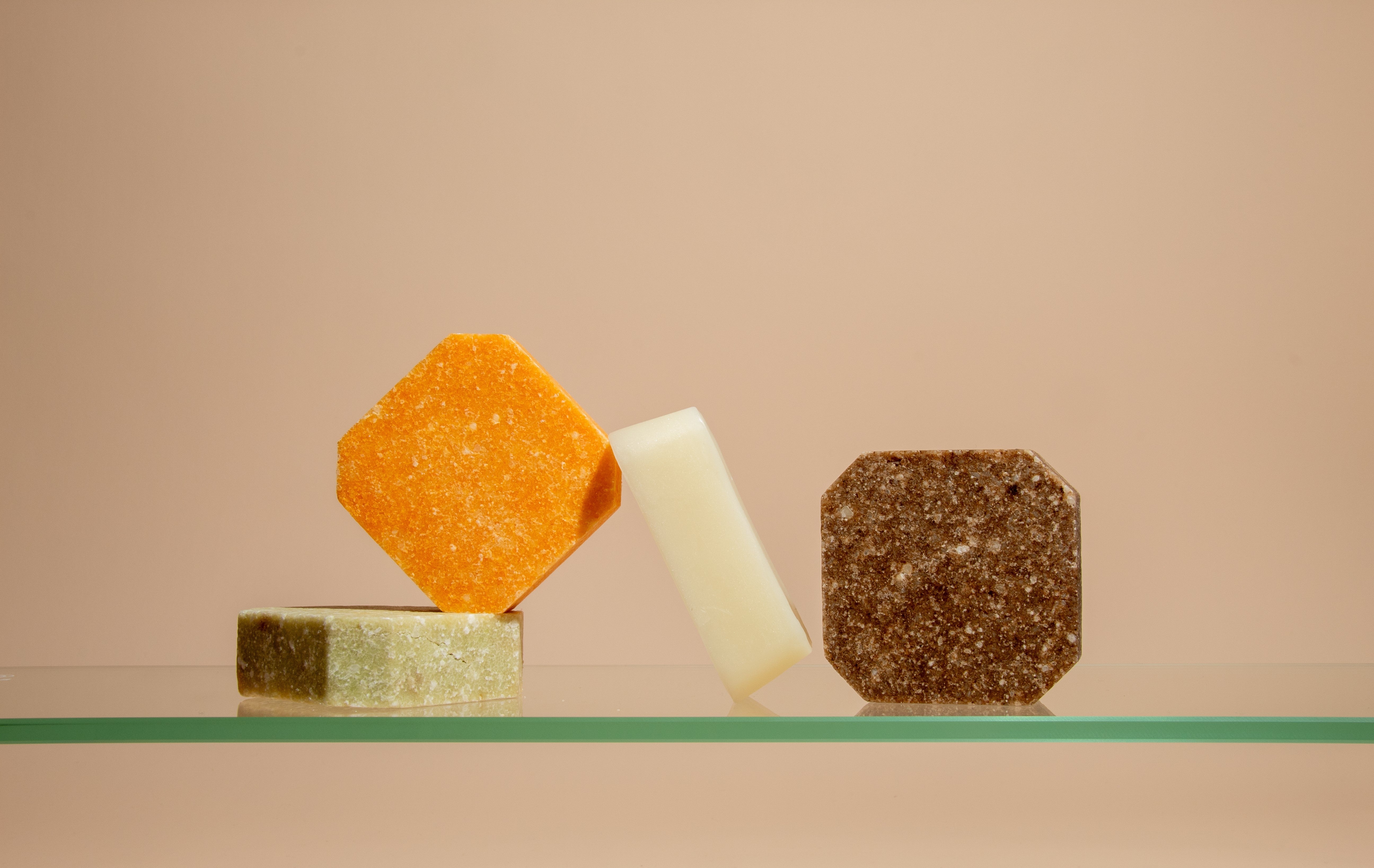
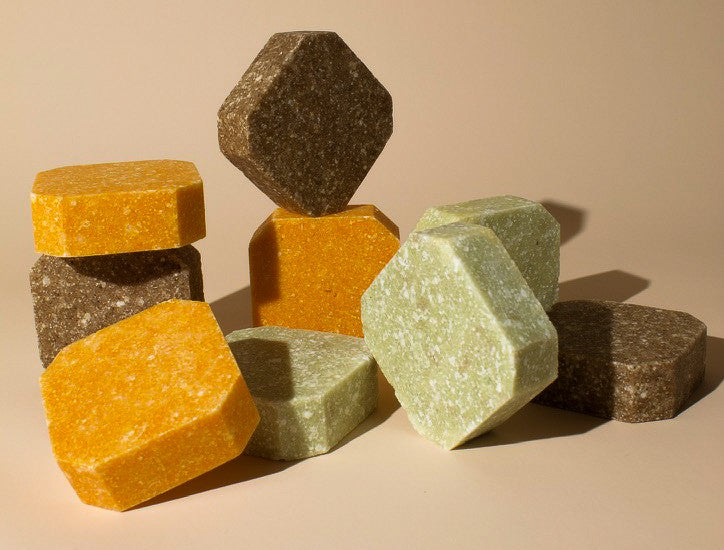
A hair conditioner bar delivers conditioning ingredients in a concentrated, waterless format. Because they contain higher active ingredient concentrations than most liquid conditioners, a small amount goes a long way - and the absence of water as a primary ingredient means more room for genuinely nourishing botanicals.
For postpartum hair specifically, a hair conditioner bar offers several advantages.
It reduces breakage. Postpartum hair that is actively shedding is more vulnerable to mechanical damage - brushing, towel-drying and styling all cause more breakage than usual because the hair is in a weakened state. A conditioner bar improves slip significantly, which means less friction when detangling and less breakage as a result.
It nourishes without weighing hair down. New mothers already dealing with visibly thinner hair do not want products that flatten what they have left. Quality conditioner bars deliver softness and manageability without the heaviness of thick cream conditioners, which can make fine or reduced-volume hair look even flatter.
It supports scalp health. A clean, balanced scalp is the foundation for healthy regrowth. Conditioner bars that contain botanical oils and gentle, scalp-friendly ingredients help maintain that balance without blocking follicles or disrupting the scalp environment.
It is genuinely practical for new parents. Bar format means no spills, no fumbling with bottles while a baby needs attention, no plastic packaging building up in an already chaotic bathroom. These are small things, but small things matter enormously in the newborn period.
PAIRING WITH A CONDITIONING SHAMPOO BAR
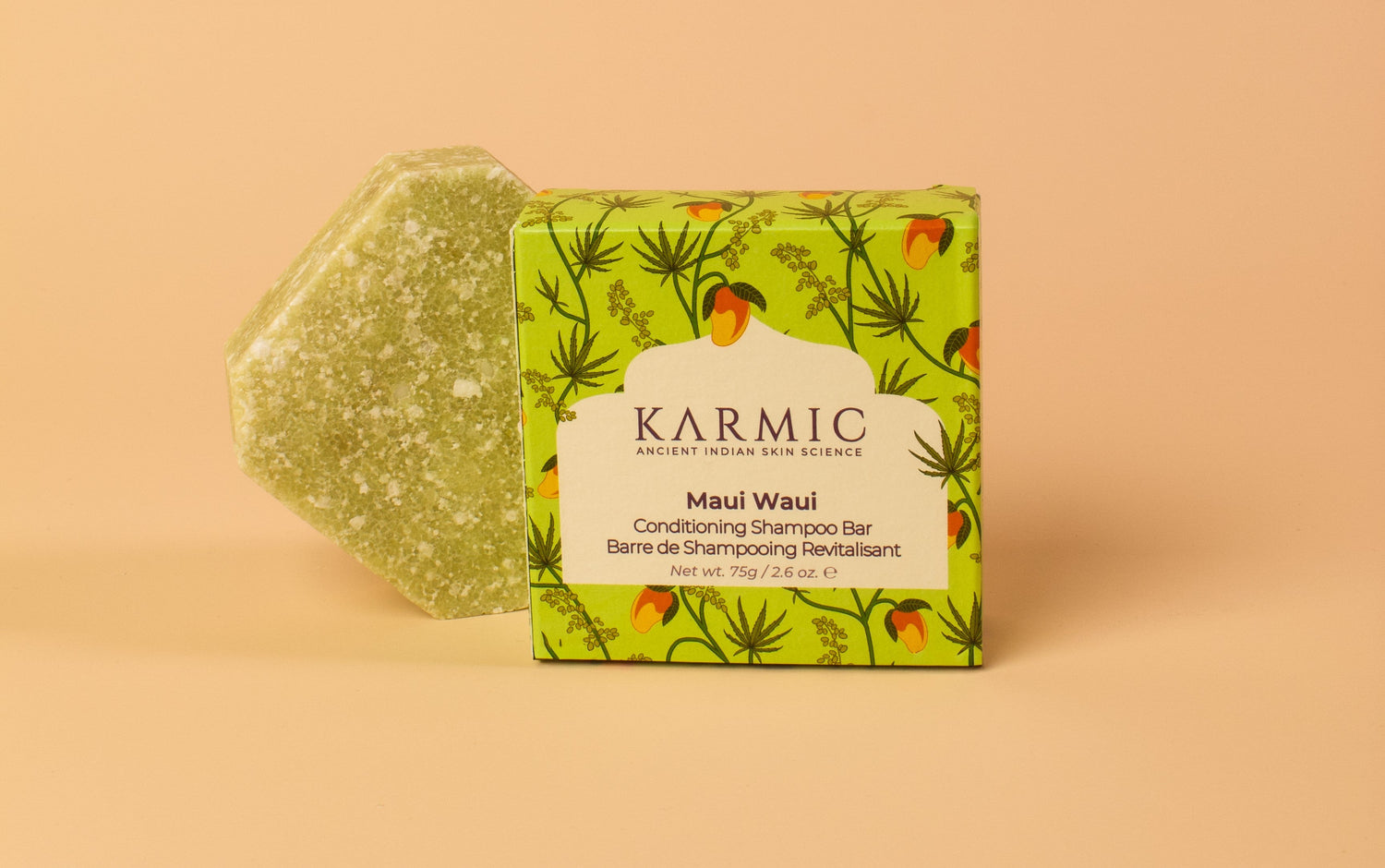
If you are using a hair conditioner bar postpartum, pairing it with a gentle conditioning shampoo bar makes sense. Sulphate-free shampoo bars cleanse without stripping the scalp of the oils it needs to support healthy follicle function, and they leave the hair shaft in a calmer state that the conditioner bar can then work with more effectively.
Avoid shampoo formulas that contain ammonium lauryl sulphate or sodium lauryl sulphate during this period. They are too aggressive for an already stressed hair and scalp system. A conditioning shampoo bar gives you a thorough clean without the stripping that worsens the fragility of postpartum hair.
PRACTICAL TIPS FOR THE POSTPARTUM SHEDDING PERIOD
Be gentle with wet hair. Hair is most fragile when wet and most prone to breakage. Use a wide-tooth comb rather than a brush to detangle, working from the ends upward rather than pulling through from the roots.
Avoid tight hairstyles. Ponytails, buns and braids pulled tightly add mechanical stress to the follicle. Loose styles during the shedding phase reduce the additional loss caused by traction.
Do not over-wash. Washing every day is not necessary and can dry the scalp. Two to three times a week is sufficient for most women postpartum.
Be patient with new growth. The short, fine hairs that appear around the hairline and parting in the months after peak shedding are new growth - not breakage. They signal that the process is working as it should.
Support from the inside matters too. Hair growth requires adequate protein, iron, zinc and biotin. If you are breastfeeding, your nutritional demands are higher than at any other point in life. A conversation with your GP or midwife about nutritional support is worth having alongside any changes to your haircare routine.
A FINAL WORD
Postpartum hair loss is temporary. It is not a sign that something has gone wrong, and it is not permanent. The right products will not stop the process, but they will help you manage the hair you have with more confidence, reduce unnecessary additional damage and give new growth the best start.
Take a look at our haircare range at karmicskin.com