
Switching to a conditioning shampoo bar is one of the best things you can do for your hair and the planet. But there is a catch that nobody warns you about clearly enough: for the first one to four weeks, your hair might feel strange. Waxy, heavy, dull or just not quite clean - even though you have washed it properly. This is normal. It has a name. And it passes.
This guide explains exactly what is happening during the transition period, why it happens, and how to get through it without giving up on your bars too soon.
WHAT IS THE TRANSITION PERIOD?
When you switch from conventional liquid shampoo to a shampoo bar, your scalp and hair go through an adjustment phase. During this time, many people experience hair that feels coated, greasy near the roots or rough and straw-like at the ends - sometimes all at once.
The transition period typically lasts between one and four weeks, depending on your hair type, the condition of your hair before switching, and the water hardness in your area.
It is not a sign that shampoo bars do not work. It is a sign that something is changing, and that is exactly what you want.
WHY DOES IT HAPPEN?
There are two main reasons.
The first is silicone buildup. Most conventional shampoos and conditioners contain silicones - ingredients that coat each hair shaft to make it feel smooth and look shiny. They work in the short term, but they accumulate over time. When you stop using silicone-based products, that buildup starts to lift away and, for a while, your hair can feel heavier, duller or greasier than usual while that process is underway.
The second reason relates to your scalp's sebum production. Conventional shampoos - particularly those containing sulphates - strip the scalp aggressively, which prompts it to overproduce oil to compensate. When you switch to a gentler bar, your scalp does not need to compensate in the same way, but it takes time to recalibrate. During that recalibration, it may continue producing oil at the higher rate for a few weeks before settling down.
Hard water plays a role too. In areas with high mineral content in the water - which covers a large part of the UK, including London and the South East - the minerals can react with the natural surfactants in shampoo bars and leave a slight residue on the hair. This can intensify the waxy sensation during the transition.
WHAT YOUR HAIR MIGHT FEEL LIKE
Different hair types experience the transition differently.
Fine or oily hair may feel greasy at the roots within a day of washing and flat throughout. The scalp is adjusting most dramatically here.
Thick or dry hair may feel more rough or coarse at the ends, particularly if there is significant silicone buildup from previous products.
Curly or coily hair often handles the transition relatively well because it tends to be drier and benefits quickly from the more nourishing formulas in quality bars - but buildup can still occur at the initial stage.
None of these experiences mean the bar is wrong for you. They are temporary.
HOW TO GET THROUGH IT
Do a clarifying wash before you start. Using a clarifying shampoo once - just once - before switching to your conditioning shampoo bar removes the silicone and product buildup that has accumulated over months or years of using conventional products. This shortens the transition period significantly and gives the bar a cleaner slate to work with.
Use an apple cider vinegar rinse. Dilute one tablespoon of apple cider vinegar in a cup of water and pour it through your hair after washing, then rinse out. This helps remove any mineral or surfactant residue, rebalances the scalp's pH and leaves hair feeling softer and lighter. It is particularly useful in hard water areas and can be done once or twice a week during the transition period.
Rinse thoroughly. One of the most common mistakes during the transition is not rinsing long enough. Shampoo bars are concentrated, and they need more rinsing time than liquid shampoos to fully clear from the hair. Rinse for longer than you think necessary - at least a full minute after lathering - especially at the roots.
Do not wash more often. It is tempting when your hair feels off to wash it more frequently. Resist this. Washing more often during the transition disrupts the scalp's recalibration and extends the adjustment period. Stick to your normal washing frequency, or even stretch it slightly.
Be patient. Most people find that by week three or four, their hair feels noticeably different - softer, more balanced, with less scalp oil between washes. The transition is real, but so is what comes after it.
WHAT TO EXPECT ONCE YOUR HAIR ADJUSTS
Once your scalp has recalibrated and your hair is free of silicone buildup, most people notice that their hair needs washing less frequently than before. The scalp is no longer overproducing oil to compensate for harsh stripping, so hair stays fresher for longer between washes.
Shine and texture also improve. Without silicone coating the hair shaft artificially, the natural texture of your hair comes through - and for many people, this is better than what they had before. Hair can move more naturally, feels lighter and responds better to styling.
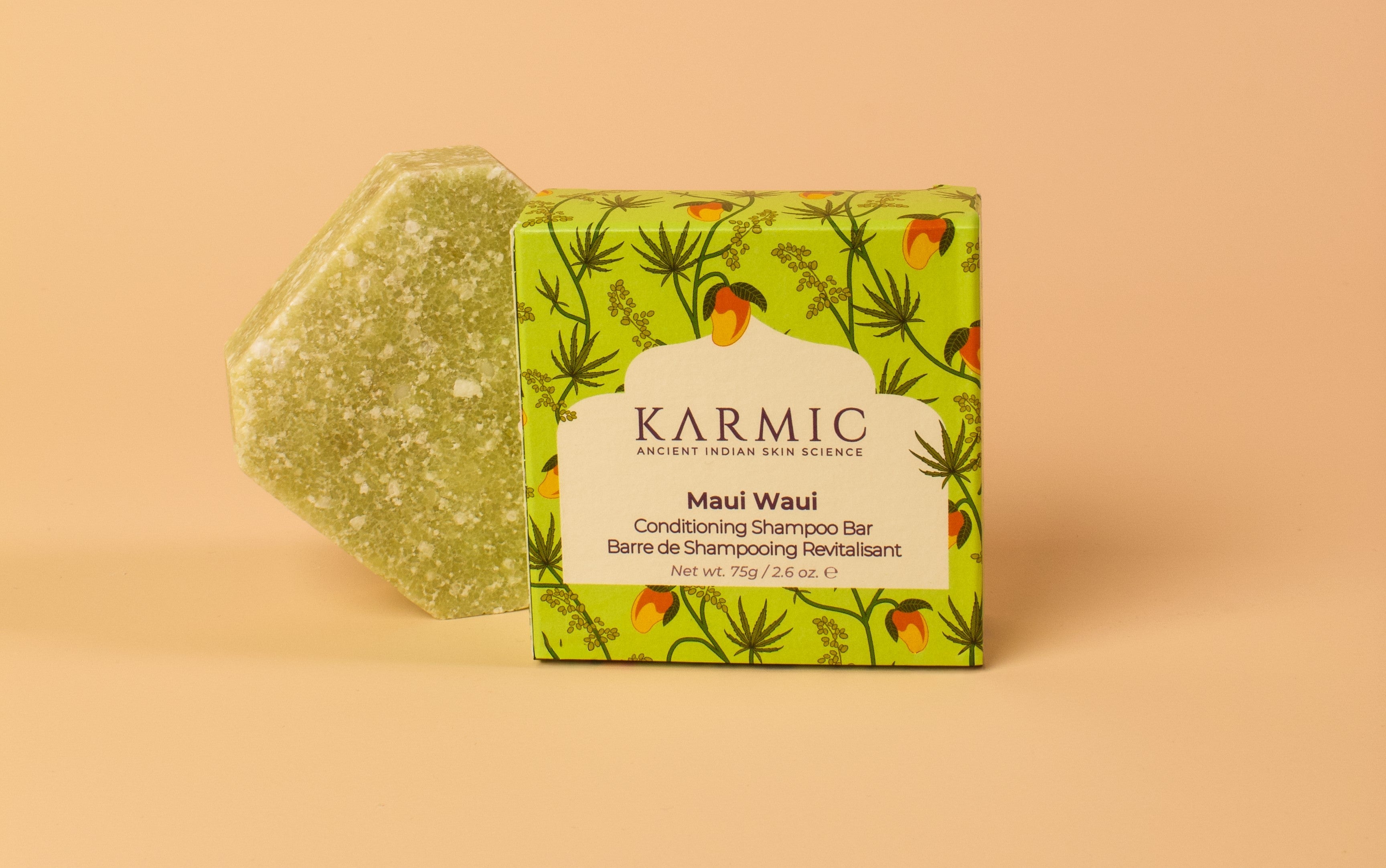
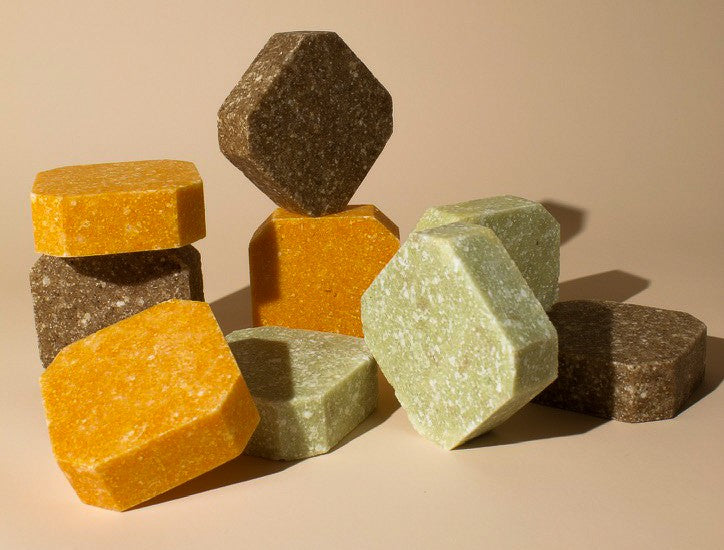
If you have been using our Espresso Bar for a detoxifying cleanse or the Maui Waui for extra conditioning during the transition, give both a few more weeks before judging the result. The payoff is worth the patience.
If you are still finding the transition difficult after four to six weeks, the most likely culprits are hard water or insufficient rinsing - both of which are solvable without abandoning your bars.
STILL NOT SURE IF IT IS WORKING?
If you are in the middle of the transition and feeling uncertain, you are not alone - this is the point at which most people either give up or push through. The ones who push through almost universally report that they are glad they did.
Our full haircare range is available at karmicskin.com. Check it out.