
Pregnancy brings with it a wave of changes, not just to your body and lifestyle, but to the way you think about everything you put on your skin. If you have been searching for pregnancy safe skin care products, you are already asking the right questions. The skin absorbs many of what it comes into contact with and, during pregnancy, that absorption takes on a new level of significance. This guide walks you through the ingredients to sidestep, the ones you can lean on, and how to build a routine that keeps both you and your baby protected.
Ingredients to Avoid During Pregnancy
Understanding which ingredients carry risk is the foundation of any pregnancy-safe routine. Some substances that appear in everyday skincare can cross the skin barrier and enter the bloodstream, making ingredient literacy genuinely important during this period.
Retinoids and Vitamin A Derivatives
Retinol, retinyl palmitate, tretinoin and other retinoid compounds are widely used in anti-ageing and acne-targeted products. However, all forms of vitamin A in high concentrations are considered unsuitable during pregnancy. Excess vitamin A has been linked to developmental concerns and, while topical retinoids carry far lower risk than oral versions, most healthcare professionals and dermatologists advise avoiding them entirely as a precaution.
Salicylic Acid at High Concentrations
Salicylic acid is a popular beta hydroxy acid (BHA) used in acne treatments and exfoliants. Low concentrations, such as those found in a gentle face wash, are generally considered acceptable. However, high-strength formulations, including chemical peels and leave-on treatments with elevated concentrations, are typically advised against during pregnancy. If you are uncertain about a product's strength, checking with your midwife or GP is always a sensible step.
Hydroquinone
Hydroquinone is a skin-lightening ingredient used in treatments for hyperpigmentation and melasma. Despite being prescription-strength in the UK, it does appear in some imported products. Its absorption rate through the skin is notably high compared with other actives, and it is widely flagged as an ingredient to avoid during pregnancy.
Formaldehyde and Formaldehyde Releasers
Formaldehyde and the preservatives that release it (such as DMDM hydantoin and quaternium-15) are found in some nail polishes, hair treatments and certain cosmetics. These compounds are classified as potential carcinogens and are best avoided throughout pregnancy.
Chemical Sunscreen Filters
Oxybenzone and avobenzone, two common chemical UV filters found in sunscreens, have raised concerns due to their potential to disrupt hormones. Mineral sunscreens containing zinc oxide or titanium dioxide are the widely recommended alternative during pregnancy, as they sit on the surface of the skin rather than being absorbed.
Ingredients That Are Generally Considered Safe
Avoiding problematic ingredients does not mean stripping your routine down to nothing. There is a generous selection of actives and emollients that are well-regarded for use during pregnancy.
Hyaluronic Acid
Hyaluronic acid is a naturally occurring substance in the body and a cornerstone of hydrating skincare. It works by drawing moisture into the skin and is considered safe throughout pregnancy. It is particularly useful for addressing the dryness and sensitivity that many people experience during the first and second trimesters.
Niacinamide
Niacinamide (vitamin B3) is a versatile ingredient that helps with uneven skin tone, enlarged pores and mild inflammation. It is gentle, well-tolerated by sensitive skin, and broadly regarded as pregnancy-safe. It can also be a useful substitute for retinol in targeting skin texture and tone.
Vitamin C
Topical vitamin C, typically found as ascorbic acid or its derivatives, is a well-established antioxidant that supports collagen production and helps address pigmentation. It is considered safe during pregnancy and is particularly helpful for managing the hormonal pigmentation changes, often called the mask of pregnancy or chloasma, that some people experience.
Azelaic Acid
Grains contain a naturally occurring substance known as azelaic acid. It is frequently recommended by dermatologists as a pregnancy-safe alternative to retinoids and hydroquinone for managing acne and hyperpigmentation. It is anti-inflammatory, gentle on sensitive skin and has a strong safety profile.
Mineral SPF
As mentioned above, mineral sunscreens using zinc oxide or titanium dioxide are the recommended choice during pregnancy. Daily sun protection remains important, and switching to a mineral formulation is a straightforward adjustment with no compromise on efficacy.
Managing Common Skin Concerns During Pregnancy
Pregnancy hormones can trigger a range of skin changes, from increased oiliness and breakouts in the early months to heightened dryness, sensitivity and pigmentation as pregnancy progresses. Knowing how to adapt your routine to these shifts makes a meaningful difference to your comfort and confidence.
Hormonal Acne
If breakouts become an issue, a routine built around gentle cleansing, niacinamide and azelaic acid can be effective without posing risks. Avoid clay masks or treatments that contain high-strength salicylic acid. Keeping the skin barrier intact is the priority, which means over-cleansing can actually worsen the problem.
Pigmentation and Melasma
Melasma, the patchy darkening of the skin triggered by hormonal changes, is a common concern. A combination of vitamin C, niacinamide, azelaic acid and consistent SPF use is the safest and most effective approach. Sun exposure worsens melasma, so daily mineral SPF is non-negotiable during this time.
Sensitive and Reactive Skin
Many people find their skin becomes more reactive during pregnancy. Fragrance is a common trigger. Opting for fragrance-free formulations and introducing new products one at a time allows you to identify and avoid anything that causes irritation.
Building Your Pregnancy-Safe Routine
A well-considered routine does not need to be complicated. A gentle cleanser, a hydrating serum (hyaluronic acid works well here), a targeted treatment such as niacinamide or azelaic acid, a moisturiser appropriate for your skin type and a mineral SPF in the morning covers the essentials. In the evening, a nourishing moisturiser or facial oil using safe botanicals rounds things off.
As your skin changes through each trimester, be prepared to adapt. What works in the first trimester may need adjusting by the third. Listening to your skin and keeping ingredient lists simple will serve you well.
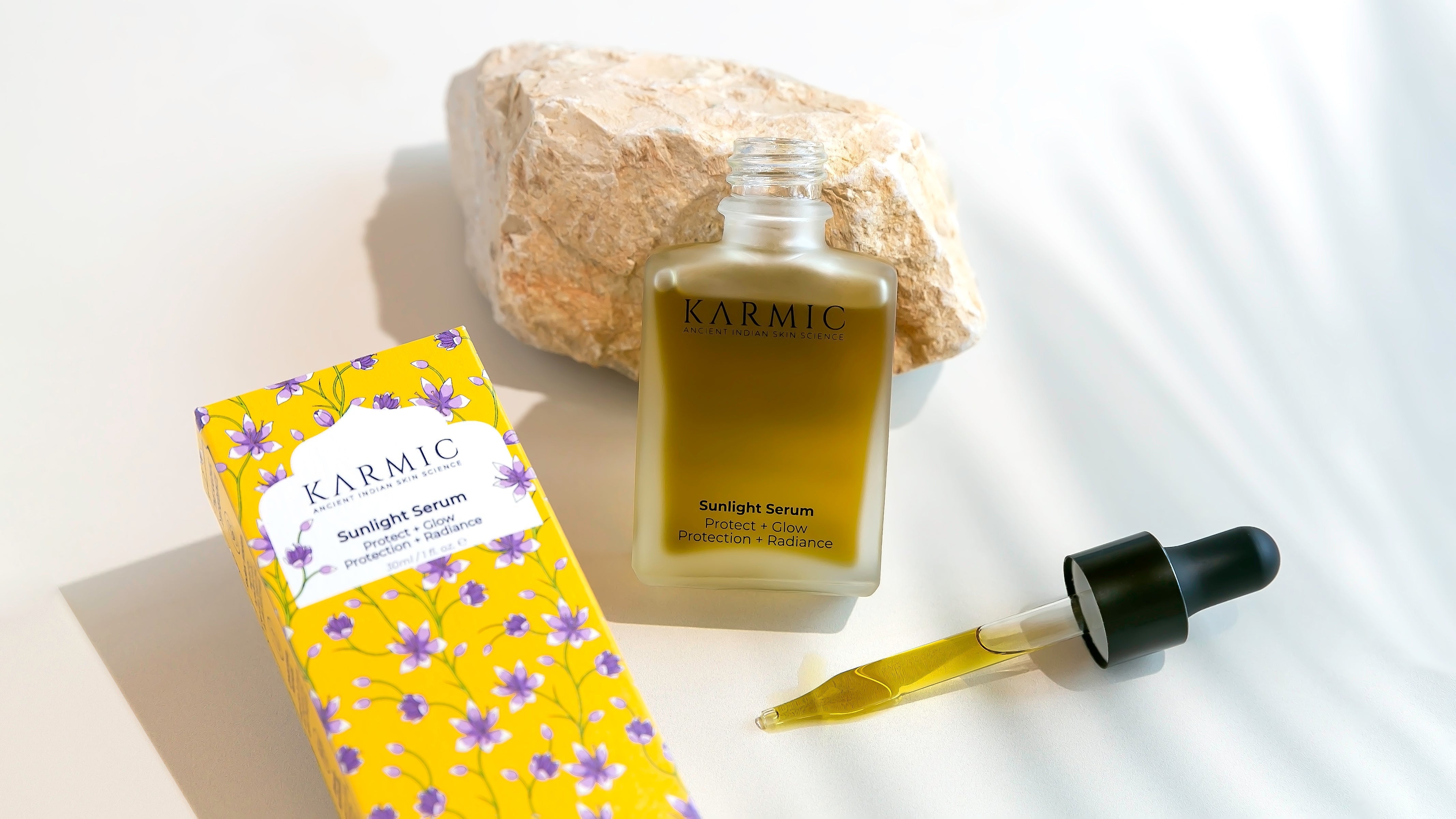
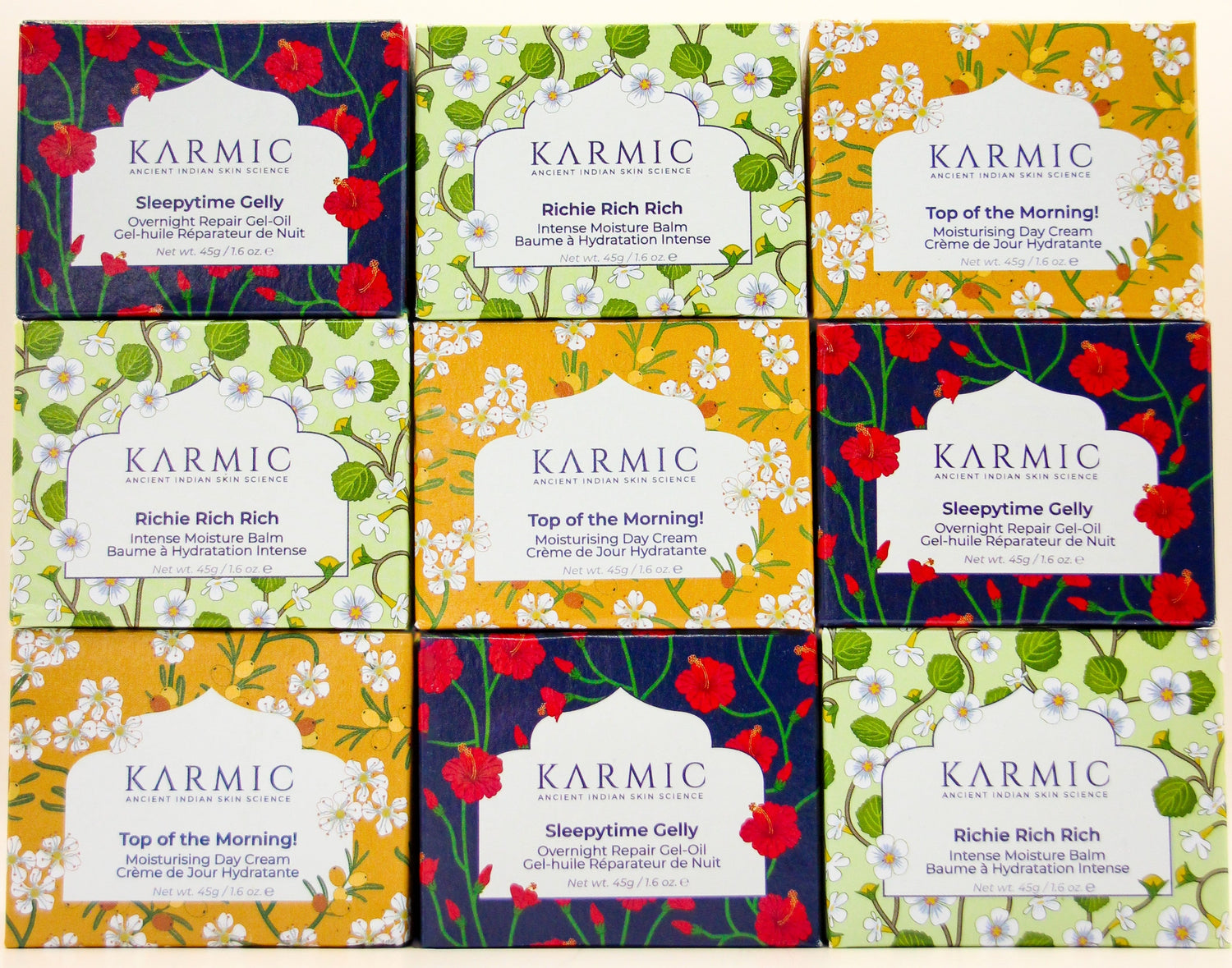
When you are building a routine around pregnancy safe skin care products, the goal is not perfection but informed, gentle care. Choosing a brand that is transparent about its formulations, avoids unnecessary additives, and has developed its range with pregnancy in mind takes much of the guesswork away. That is precisely the philosophy behind Karmic Skin's approach to clean, considered skincare for every stage of womanhood.