
The moment central heating clicks back on for the colder months, your face moisturiser for dry skin has to work considerably harder, because the swing between cold outdoor air and dry indoor heat strips moisture from the skin and drives up transepidermal water loss, leaving many complexions tighter, flakier and more prone to irritation almost overnight.
Why does central heating dry skin out so quickly?
Central heating systems work by warming the air which, in turn, lowers its humidity, pulling moisture out of everything in the room, including your skin. Add in the daily contrast of stepping from cold, often windy outdoor air into a heated indoor environment, and skin is forced to cope with a constant temperature shock. This swing between hot and cold is a well-documented trigger for moisture loss, and it happens gradually enough that many people do not connect their skin's decline directly to the heating being switched on.
What is transepidermal water loss and why should you care?
Transepidermal water loss, or TEWL, refers to the natural process by which water evaporates from the skin's surface into the air. Some water loss is normal, but the shock of cold-to-warm temperature swings caused by central heating increases this rate significantly, meaning skin loses hydration faster than it can replace it. Left unchecked, elevated TEWL leaves skin dehydrated at a deeper level, not just dry on the surface, which is why superficial fixes often fall short.
How does this affect a face moisturiser for dry skin specifically?
A moisturiser that felt entirely adequate in warmer, more humid months may simply not provide enough of a barrier once the heating season sets in. Lighter formulas can evaporate or absorb too quickly, leaving skin unprotected against the increased TEWL happening underneath. This is why a face moisturiser for dry skin often needs to be reassessed seasonally rather than treated as a one-size-fits-all product used identically year-round.
What signs mean your moisturiser is not keeping up any more?
Watch for skin that feels tight within an hour of applying moisturiser, visible flaking around the nose, cheeks or eyebrows, or a dull, rough texture that was not there a few weeks earlier. Foundation or makeup sitting unevenly on drier patches is another common giveaway. If these signs appear alongside the heating coming on, the timing itself is a strong clue about the cause.
What should you look for in a moisturiser during the heating season?
Look for richer textures with strong emollient and humectant qualities, ingredients that both draw moisture in and help lock it at the skin's surface. Vegan, plant-oil-based formulations, such as safflower seed oil to deeply replenish hydration and hemp seed oil to deliver essential fatty acids that reinforce the skin barrier against indoor heating, often provide this kind of nourishing barrier support without feeling heavy or greasy. A moisturiser that feels comfortable straight after application, rather than needing to be reapplied within the hour, is generally doing its job properly.
How can you support hydration beyond just moisturiser?
Layering matters just as much as the product itself - apply moisturiser to slightly damp skin to help trap existing water rather than starting from a dry base. A humidifier in frequently heated rooms can also ease the strain considerably, addressing the dry air at its source rather than only treating the skin. Together, these small adjustments help your moisturiser keep pace with what central heating takes away.
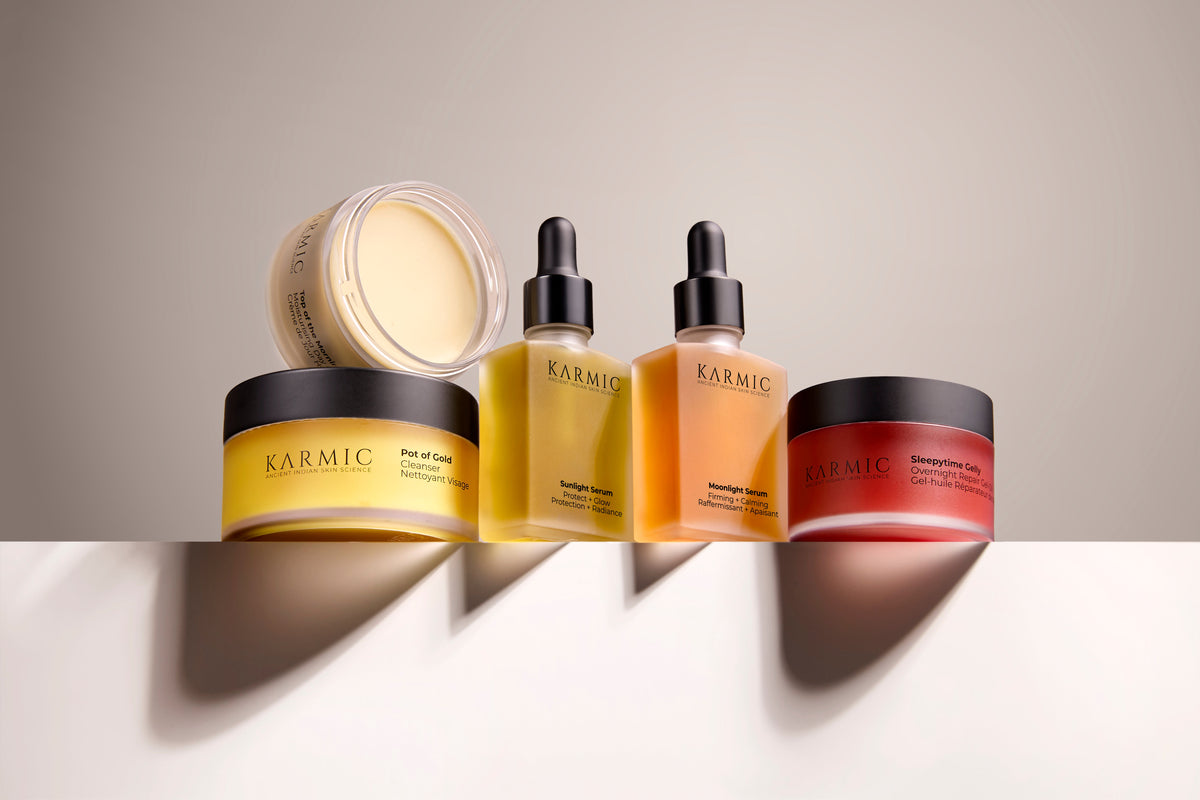
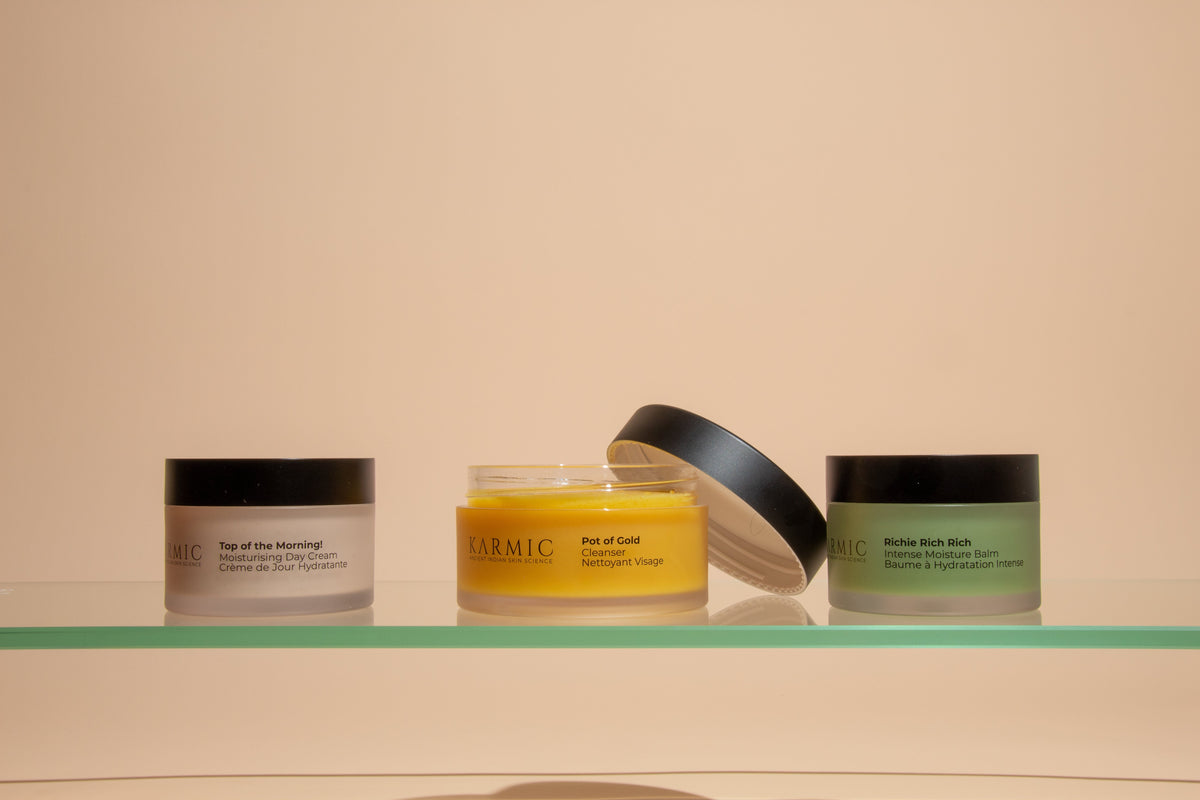
If your skin has started feeling the effects of the heating coming back on, Karmic Skin's vegan moisturisers, including the Sleepytime Gelly, are formulated to give dry skin the richer, barrier-supporting hydration it needs through the colder months.