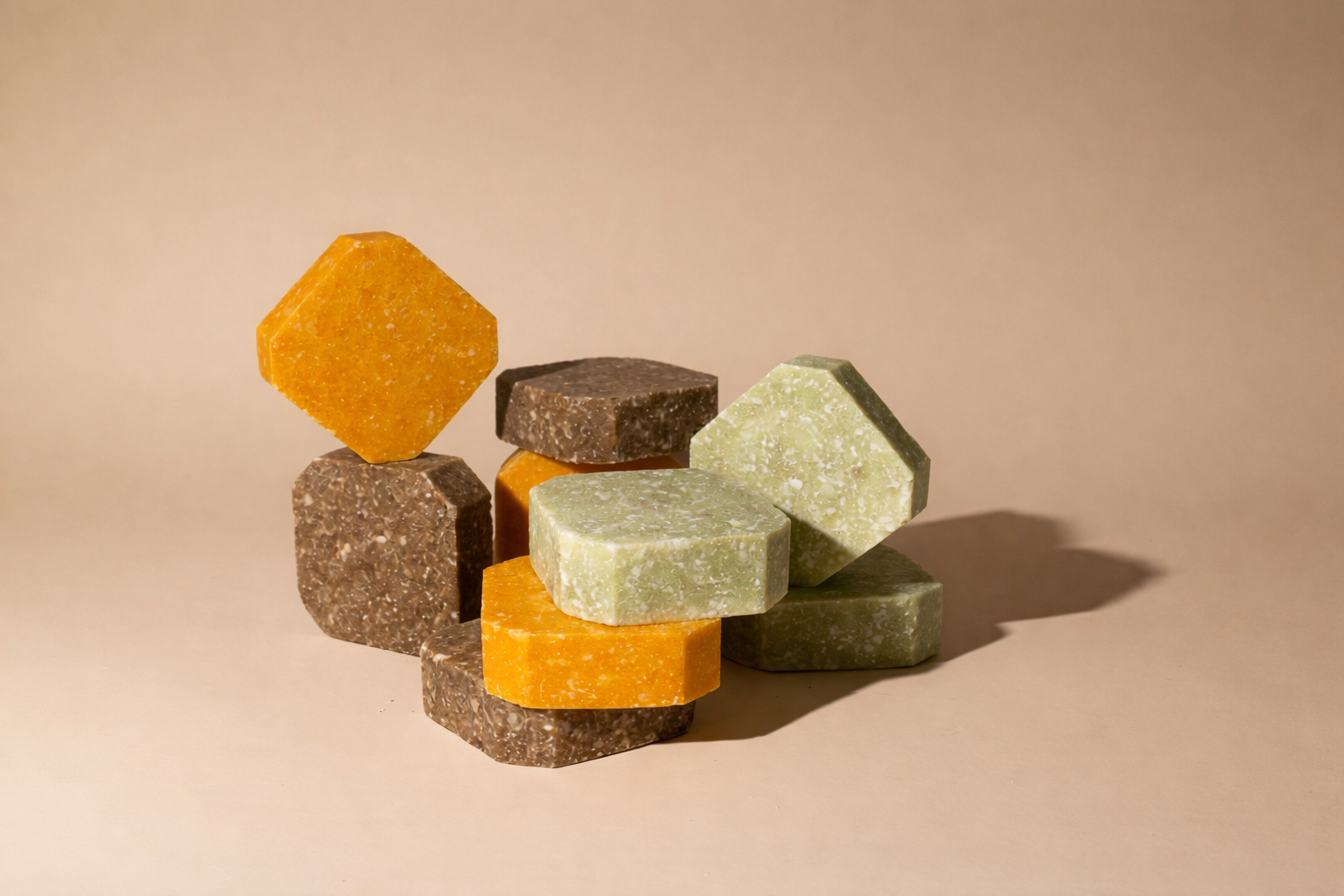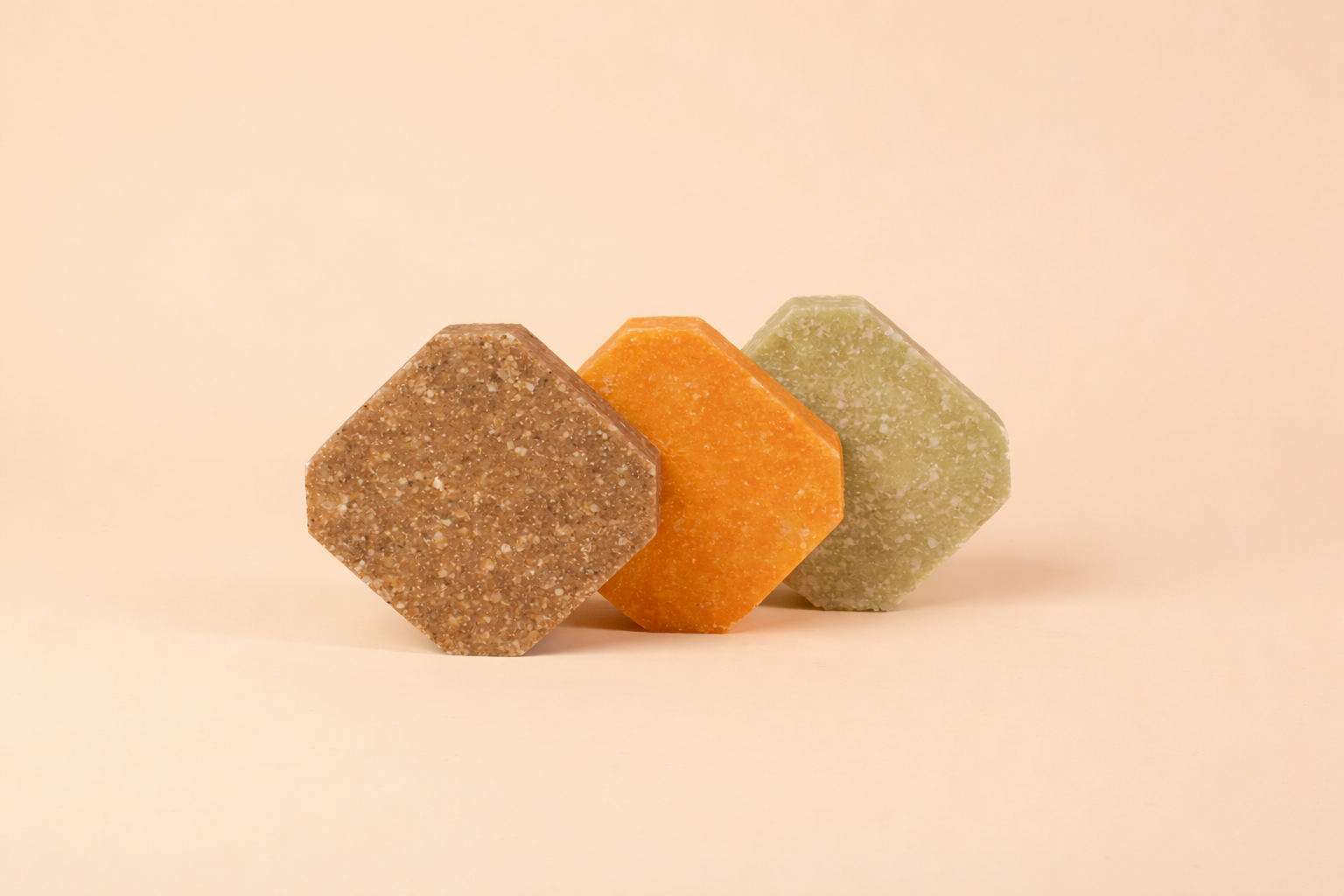
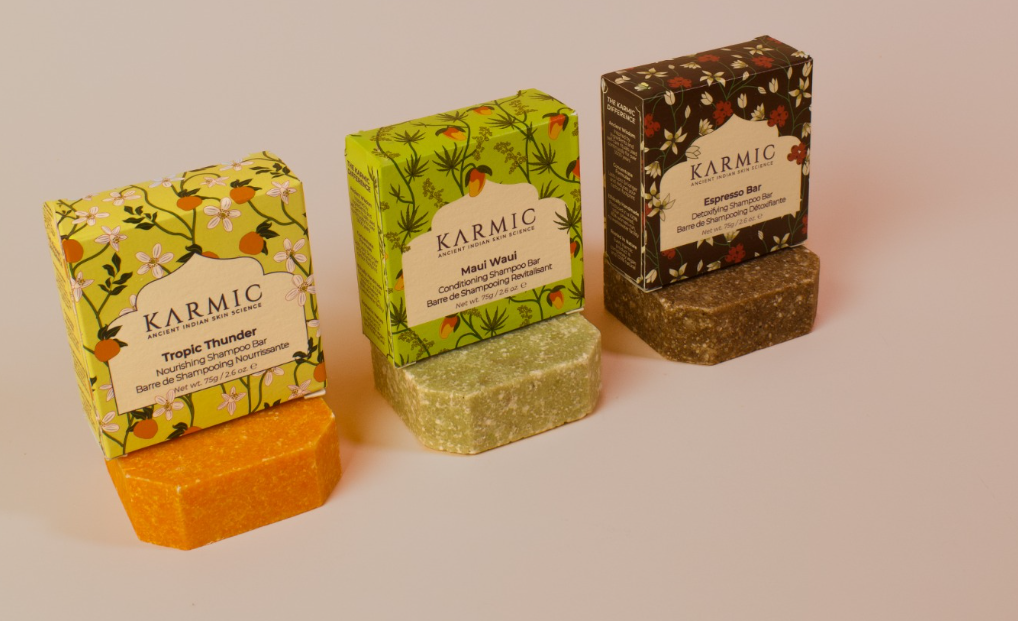
The beauty world has witnessed a revolutionary shift towards sustainable hair care, with the conditioning shampoo bar leading this transformation. These concentrated, eco-friendly alternatives offer superior nourishment whilst eliminating plastic waste from your routine. Unlike traditional liquid formulas, a quality conditioning shampoo bar delivers intensive hydration and repair in a single, travel-friendly format. As we move through 2026, understanding how to select the perfect bar for your unique hair needs has become essential for achieving healthier, more manageable locks.
Recognising Your Hair's Unique Needs
Assessing Hair Porosity and Texture
Your hair's porosity determines how well it absorbs and retains moisture, making this the foundation for choosing the right conditioning shampoo bar. Low porosity hair has tightly sealed cuticles that resist moisture penetration, whilst high porosity hair absorbs products quickly but struggles to maintain hydration. Medium porosity hair represents the ideal balance, accepting and retaining moisture effectively. Texture also plays a crucial role, with fine hair requiring lightweight formulations and coarse hair benefiting from richer, more intensive conditioning agents.
Identifying Scalp Sensitivity Levels
Scalp health directly impacts hair quality, making sensitivity assessment vital when selecting your conditioning shampoo bar. Sensitive scalps respond best to gentle, pH-balanced formulations with soothing botanicals like chamomile or oat protein. Oily scalps require clarifying ingredients that remove excess sebum without over-stripping, whilst dry scalps need deeply moisturising components like hemp seed oil and mango seed butter. Normal scalps can tolerate a broader range of ingredients, allowing for more flexibility in product selection.
Conditioning Shampoo Bar Formulations by Hair Type
Fine and Thin Hair Solutions
Fine hair requires a conditioning shampoo bar that provides hydration without weighing down delicate strands. Choose lightweight proteins like rice or quinoa that build strength without heaviness, combined with volumising ingredients such as sea salt or citrus extracts. Avoid heavy oils like coconut or shea butter, which can make fine hair appear limp and greasy. Instead, opt for bars containing lighter emollients like jojoba or grapeseed oil that condition without sacrificing body and movement.
Thick and Coarse Hair Requirements
Coarse hair thrives with intensive moisture from a conditioning shampoo bar rich in nourishing butters and oils. Shea butter, cocoa butter and argan oil provide the deep conditioning necessary for managing thick, unruly textures. These hair types can handle heavier formulations without appearing weighed down, making them ideal candidates for bars with higher concentrations of conditioning agents. Look for bars containing keratin proteins or amino acids that help smooth the hair cuticle and reduce frizz.
Curly and Textured Hair Essentials
Curly hair patterns require specialised care from a conditioning shampoo bar designed to enhance natural curl definition whilst providing intense moisture. Ingredients like coconut oil, shea butter and glycerin work together to maintain curl integrity and prevent drying. Avoid sulfates and harsh detergents that can strip natural oils and cause frizz. Instead, seek bars with gentle cleansing agents and curl-enhancing botanicals like marshmallow root or flaxseed extract.
Key Ingredients to Prioritise
Natural Conditioning Agents
Premium conditioning shampoo bar formulations rely on plant-based ingredients that deliver superior results without synthetic additives. Botanical oils like argan, jojoba and sweet almond provide lightweight moisture, whilst butters such as murumuru and tucuma offer intensive repair for damaged hair. Natural proteins from quinoa, rice or silk help strengthen hair shafts and improve elasticity. These ingredients work synergistically to create bars that cleanse gently whilst providing comprehensive conditioning benefits.
pH-Balancing Components
The ideal conditioning shampoo bar maintains your hair's natural pH level of 4.5-5.5, preserving the cuticle's integrity and preventing damage. Apple cider vinegar, citric acid and other natural acidifiers help achieve this balance whilst enhancing shine and smoothness. Properly pH-balanced bars prevent colour fading in treated hair and reduce tangles and breakage. This attention to pH levels distinguishes high-quality bars from inferior alternatives that may disrupt your hair's natural protective barrier.
Sustainable Beauty Benefits
Environmental Impact Reduction
Choosing a conditioning shampoo bar represents a significant step towards environmental responsibility in your beauty routine. A single bar typically replaces 2-3 plastic bottles of liquid shampoo, dramatically reducing packaging waste. The concentrated formula requires less water in production and transport, further minimising environmental impact. Many bars come in minimal, biodegradable packaging or completely plastic-free wrapping, aligning with growing consumer demand for sustainable alternatives.
Long-term Value Proposition
Despite higher upfront costs, a quality conditioning shampoo bar offers exceptional value through extended use periods and reduced product waste. The concentrated formula means less product per wash, with most bars lasting 60-80 washes depending on hair length and frequency. This longevity, combined with the elimination of packaging waste, makes bars an economically sound choice for conscious consumers. Additionally, the travel-friendly format eliminates liquid restrictions and spillage concerns.
Application Techniques for Optimal Results
Proper Activation Methods
Achieving optimal results from your conditioning shampoo bar requires proper application techniques that differ from liquid alternatives. Begin by thoroughly wetting both your hair and the bar, then gently rub the bar between your palms to create a rich lather. Apply this lather to your scalp using fingertips, massaging gently to distribute the conditioning agents evenly. Focus on the scalp and roots, allowing the suds to cleanse the lengths as you rinse.
Post-Wash Care Strategies
Maximise your conditioning shampoo bar's benefits through proper post-wash techniques that enhance moisture retention and manageability. Gently squeeze excess water from your hair rather than rubbing with a towel, which can cause friction and frizz. Apply a leave-in conditioner or hair oil to damp strands, focusing on mid-lengths and ends. Allow hair to air-dry when possible, or use a microfiber towel for gentler moisture absorption.
Storage and Maintenance Guidelines
Proper storage extends your conditioning shampoo bar's lifespan whilst maintaining its effectiveness and preventing bacterial growth. Store the bar in a well-ventilated area away from standing water, using a soap dish with drainage or a hanging soap saver. Allow the bar to dry completely between uses, rotating it occasionally to ensure even wear. Keep stored bars away from direct sunlight and extreme temperatures, which can cause melting or ingredient degradation.
Conclusion
Selecting the perfect conditioning shampoo bar transforms your hair care routine whilst supporting environmental sustainability and personal wellness. By understanding your unique hair type and matching it with appropriate ingredients and formulations, you'll achieve healthier, more manageable hair without compromising on performance or values. Our commitment to clean, effective formulations reflects the growing demand for products that nourish both you and the planet. Embrace this innovative approach to hair care and discover how the right conditioning shampoo bar can revolutionise your daily routine whilst contributing to a more sustainable future. Visit our website www.karmicskin.com to explore our range of clean beauty solutions designed for conscious consumers who refuse to compromise on quality or ethics.